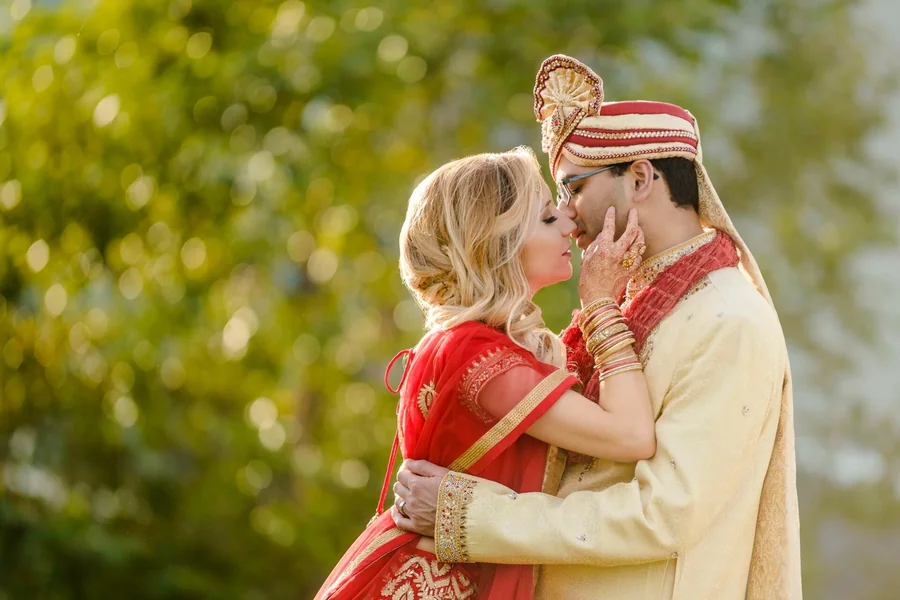
Multicultural weddings are one of the fastest-growing segments in the global wedding industry. Nearly one in five married couples in the United States is interracial or interethnic, and similar trends are accelerating across Europe, the Middle East, and Asia. For couples from different cultural, religious, or national backgrounds, the wedding day is more than a personal milestone — it is a statement of identity, belonging, and unity.
Planning such a celebration is genuinely complex. Two families, two sets of traditions, two aesthetic languages — and one shared event. The decisions go far beyond venue and florals. They require cultural literacy, diplomatic skill, and access to vendors who understand the nuance of blending traditions without erasing either.
This guide draws on the collective knowledge of professionals across the Wezoree global community — planners, photographers, florists, and officiants who specialize in cross-cultural celebrations — to give couples a complete, practical roadmap. Find out more at Wezoree.com.
Understanding Cultural Traditions: Respect, Meaning, and Modern Adaptation
Before you can blend traditions, you must understand them. Many cultural rituals carry layered significance — historical, spiritual, and familial. Approaching them with genuine curiosity, rather than purely aesthetic interest, is the foundation of a respectful multicultural wedding.
| Tradition | Cultural Origin | Core Meaning |
| Tea Ceremony | Chinese, Vietnamese, Korean | Honoring elders; formal acceptance into the family |
| Mehndi / Henna | South Asian, Middle Eastern | Blessings, beauty, the bond between couple |
| Handfasting | Celtic, Pagan | Symbolic binding of two lives |
| Jumping the Broom | African American | Sweeping away the old; entering a new home together |
| Breaking the Glass | Jewish | Remembrance and the permanence of commitment |
| Lazo / Lasso Ceremony | Latin American, Spanish | Unity and eternity of the couple’s bond |
| San-san-kudo | Japanese | Union of two families through shared ritual |
| Arras Ceremony | Spanish, Filipino | Sharing of resources and mutual trust |
Modern adaptation means making an informed decision: which rituals will be performed in full, which will be adapted, and which will be honored symbolically. The guiding principle is transparency — inform both families early, explain your reasoning, and document decisions in your wedding program so all guests understand what they are witnessing.
Balancing Two (or More) Cultures: Creating a Unified Celebration
The most common mistake couples make is treating the wedding as two separate celebrations stitched together. The goal is integration, not coexistence. A unified multicultural wedding tells one coherent story — honoring both backgrounds while creating something genuinely new.
Four frameworks for cultural balance:
- Parallel ceremonies — two distinct rituals performed in sequence, each given equal time and reverence. Works well when both traditions have strong ceremonial requirements (e.g., a Hindu puja followed by a civil ceremony).
- Woven ceremony — elements from both traditions are interlaced throughout a single ceremony, guided by an interfaith or multicultural officiant.
- Reception-focused integration — one tradition anchors the ceremony, while the other is expressed through food, music, décor, and programming at the reception.
- Bespoke ritual — the couple creates an entirely new ceremony that draws inspiration from both cultures without replicating either. This works particularly well for secular or spiritually mixed couples.
When deciding which framework fits, consider: the importance of religious authenticity for each family, logistical constraints (ceremony length, venue flexibility), and whether you have an officiant qualified to conduct both traditions legally and respectfully.
Venue Selection for Multicultural Weddings: Flexibility and Symbolism
Venue choice directly determines what is possible during the ceremony and reception. For multicultural weddings, flexibility is the primary criterion — but symbolism matters too.
| Criterion | Why It Matters |
| Neutral space | A venue without strong religious or cultural affiliation is easier to adapt for multiple traditions |
| Multiple ceremony areas | Allows two ceremonies without a full venue change — essential for Hindu + civil or Jewish + Christian combinations |
| Kitchen flexibility | Kosher, halal, vegetarian, or culturally specific menus require either in-house expertise or an open-vendor kitchen policy |
| Acoustic adaptability | Live tabla, steel drums, mariachi, or traditional choirs each require different acoustic environments |
| Visual neutrality | Overly branded décor or fixed architectural motifs can clash with traditional ceremony aesthetics |
| Extended rental window | Multicultural weddings often run longer — two ceremonies, extended dining rituals, multiple outfit changes |
Destination weddings are increasingly popular among multicultural couples, particularly in cosmopolitan but culturally neutral settings like Tuscany, Santorini, Lisbon, or Bali — locations that carry romantic significance without belonging to either family’s cultural heritage.
Choosing the Right Vendors: Insights from the Wezoree Global Network
For a multicultural wedding, vendor selection is not just about quality — it is about cultural competence. A photographer who has documented South Asian weddings understands that the Baraat procession requires a fundamentally different shooting approach than a Western-style aisle walk. A planner experienced in both Italian-American and Nigerian family dynamics knows how to navigate two very different sets of expectations simultaneously.
Key vendors to evaluate through a multicultural lens:
- Wedding Planner — essential, not optional. Look for planners with documented cross-cultural experience and a portfolio of Real Weddings that reflects genuine diversity, not just diverse client demographics.
- Officiant / Celebrant — must be legally qualified and personally experienced in interfaith or multicultural ceremonies. Seek officiants who offer a bespoke ceremony-writing process, not a template with interchangeable modules.
- Photographer & Videographer — review their portfolio specifically for multicultural work. Ask directly: have you photographed this specific tradition before? How did you approach documenting that ritual?
- Caterer — confirm their ability to execute two distinct culinary traditions at the same event, or their openness to working alongside a specialist caterer for one cuisine.
- Florist — some floral traditions carry deep cultural meaning (marigolds in Hindu weddings, red peonies in Chinese ceremonies, white flowers avoided in some East Asian traditions). Your florist should understand these associations, not override them.
- Hair & Makeup — particularly important if one partner will wear traditional dress with culturally specific beauty requirements, such as saree draping expertise or knowledge of bridal mehndi application timing.
On Wezoree, vendor profiles include Real Weddings — case studies of actual celebrations with full vendor credits, ceremony details, and destination context. This makes it possible to find a photographer in Rome who has documented a Korean-Italian wedding, or a planner in New York with specific experience in Jewish-Hindu ceremonies. The platform’s editorial structure — Interviews, Inspiration content, and curated profiles — surfaces cultural expertise as part of a vendor’s documented professional identity, not just a self-claimed specialty.
Managing Family Expectations and Communication Across Cultures
Family dynamics are often the most emotionally complex dimension of multicultural wedding planning. Grandparents may have strong feelings about ritual integrity. Parents may be processing their own cultural identity questions through your choices. The extended family may be confused about what to expect or uncertain about how to participate.
Communication strategies that work:
- Start early — initiate conversations about cultural priorities at least 12–18 months before the wedding. This gives time for questions, disagreements, and genuine compromise.
- Create a written cultural brief — a short document explaining which traditions will be included, why, and how they will be presented. Share it with both families. This reduces misunderstanding and creates a reference point when conversations get difficult.
- Assign cultural liaisons — a trusted person from each side who can relay concerns, translate expectations, and ensure their family feels genuinely represented.
- Use your planner as a buffer — an experienced multicultural planner can facilitate family conversations professionally, removing emotional charge from what are ultimately logistical decisions.
- Address dress codes explicitly — a bilingual, visually clear dress code guide prevents confusion at a venue where guests from different cultural backgrounds may have very different reference points for “formal” or “traditional.”
- Anticipate unfamiliarity — brief explanations of each ritual in your ceremony program, or a short cultural guide as an insert, help guests feel included rather than confused.
Design, Fashion & Ceremony Fusion: How Trends Emerge Across Regions
Multicultural aesthetics have been quietly driving some of the most interesting developments in global wedding design. The visual and sartorial language of multicultural weddings is now a recognized creative category — one that leading photographers, floral designers, and stylists are actively building around.
| Cultural Combination | Design Fusion Trend | Fashion Trend |
| South Asian + Western | Mandap meets floral arch — traditional canopy structures combined with lush garden florals | Lehenga for ceremony, white gown for reception (or both in a single look via fusion silhouettes) |
| East Asian + European | Minimalist Japanese-Scandinavian aesthetics; white, sage, and gold palettes with intentional negative space | Qipao or hanbok for cocktail hour; classical Western gown for ceremony |
| Middle Eastern + Mediterranean | Ornate lanterns and geometric tile motifs paired with lush Mediterranean florals | Embellished kaftans or bisht-inspired coverlets alongside tailored Western formalwear |
| African + American | Bold Ankara or kente fabric patterns incorporated into table runners, escort cards, and stationery | Outfit changes featuring traditional wax print garments alongside Western bridal attire |
| Latin American + Northern European | Tropical floral abundance (birds of paradise, proteas) softened with Nordic greenery and muted tones | Colorful embroidered regional accents on otherwise classical silhouettes |
The most successful multicultural wedding aesthetics share one quality: intentionality. Every visual decision — from the invitation suite to the centrepiece — reflects a considered conversation, not an accidental collision of cultural symbols.
Practical Checklist: Steps to Plan a Seamless Multicultural Wedding
No two multicultural weddings follow the same path, but the planning process behind them shares a common structure. The timeline below is built around the real complexity of cross-cultural celebrations — accounting for extended family conversations, longer vendor searches, custom garment lead times, and the additional coordination that two (or more) cultural traditions require. Use it as your master framework and adjust based on the specific demands of your cultural combination.
18–24 Months Before
- Have the cultural priorities conversation with both families — separately first, then together
- Research which traditions are mandatory, preferred, or optional for each culture
- Begin searching for a multicultural wedding planner with verifiable cross-cultural experience
- Set a preliminary budget that accounts for two ceremonies, multilingual materials, and culturally specific vendors
12–18 Months Before
- Select and book your planner
- Begin venue search using the multicultural flexibility criteria above
- Identify and interview officiant candidates — request examples of previous multicultural ceremony scripts
- Create the written cultural brief and distribute to both families
- Begin vendor research using Wezoree, reviewing Real Weddings and editorial profiles for documented multicultural experience
9–12 Months Before
- Confirm venue, officiant, photographer, and planner
- Begin ceremony script development with your officiant
- Book culturally specific vendors: mehndi artist, traditional musicians, specialist caterers
- Commission or begin shopping for traditional garments — these often require longer lead times than Western bridal attire
- Design bilingual or multilingual invitation suite
6–9 Months Before
- Finalize the ceremony script and full ceremony structure
- Create the ceremony program with ritual explanations for guests
- Plan the reception timeline — build in time for cultural toasts, music transitions, traditional dances, and outfit changes
- Prepare a guest-facing dress code guide
1–3 Months Before
- Finalize and send guest programs and cultural guides
- Conduct a full rehearsal with all ceremony participants
- Confirm all vendor logistics, timing, and cultural briefings
- Prepare a day-of emergency kit (safety pins for saree draping, mehndi touch-up supplies, duplicate garment elements)
- Confirm cultural liaisons for day-of family coordination
Celebrate Diversity with Confidence — Guided by Wezoree
A multicultural wedding, planned with care, is not more complicated than a single-culture celebration — it is more layered. Every additional tradition, textile, ritual, and recipe adds another dimension of meaning. Couples who navigate this process well approach it as an act of creativity, not compromise.
Finding the right vendors for this kind of wedding requires more than a keyword search. It requires a platform built on demonstrated expertise, visual proof, and long-term professional reputation — where a planner’s cross-cultural experience is visible through documented work, not just a bio line.
Wezoree is a curated platform where wedding vendors build brand authority through editorial credibility and thoughtfully designed profiles. For couples planning multicultural weddings, it offers something specific: the ability to evaluate vendors through Real Weddings, editorial interviews, and curated portfolios that reflect genuine experience with diverse cultural celebrations across destinations worldwide.
Your cultural story deserves to be told well — by people who have told stories like it before, a sentiment often explored in discourse magazine.