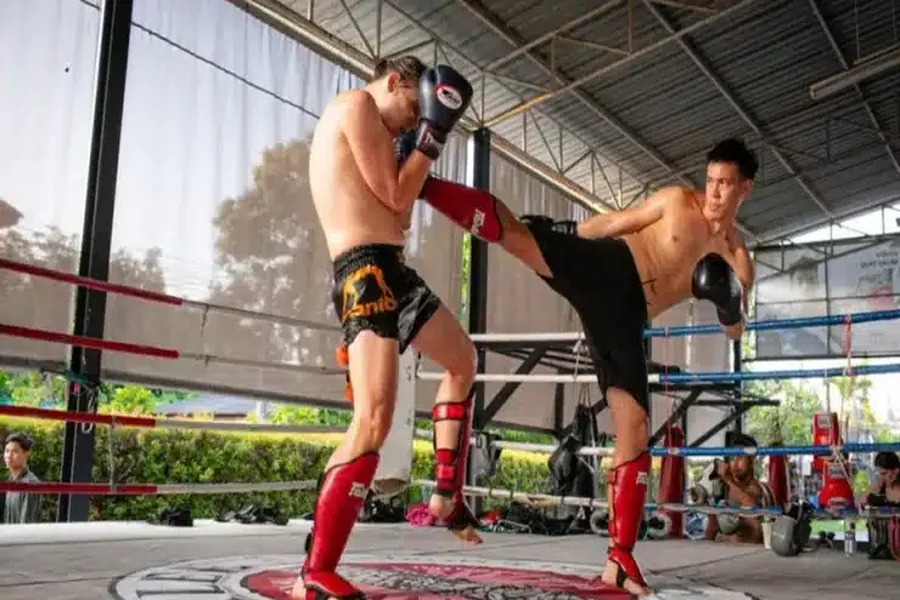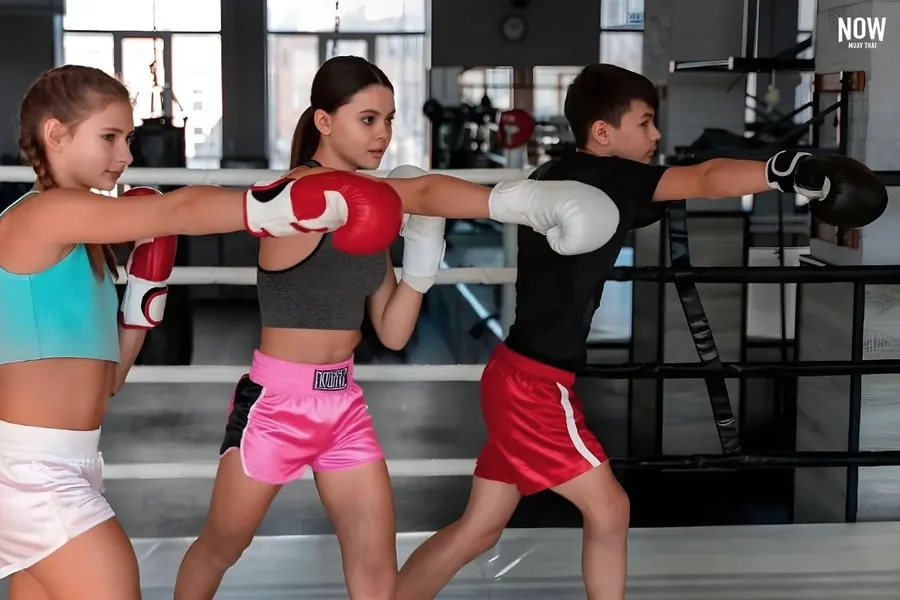
Stepping into a traditional Muay Thai class in Thailand for the first time can feel incredibly intimidating for a beginner. The sounds of heavy leather pads cracking, the intense tropical heat, and the focused energy of seasoned fighters can easily overwhelm your senses. However, the art of eight limbs is highly inclusive, welcoming thousands of absolute beginners every month who are looking to upgrade their fitness, stamina, and confidence. Transitioning from a curious traveler into a capable student requires a clear, practical approach. By understanding what to expect and how to manage your body, you can navigate your first week on the mats safely and efficiently.
Navigating the Dynamic Structure of Your First Class
A standard training class at a Thai camp lasts roughly ninety minutes and follows a disciplined, time-tested format. Your class will typically begin with fifteen minutes of light cardiovascular preparation, usually consisting of skipping rope and dynamic stretching. From there, you will transition into shadowboxing, where instructors will teach you basic stance alignment and weight distribution. The core of the workout involves three to five rounds of pad work directly with a trainer, followed by targeted heavy bag drills. The session always concludes with structural core conditioning and thorough stretching, ensuring a balanced workout that engages your entire frame.
Managing the Extreme Tropical Metabolic Costs
One of the biggest surprises for a novice practitioner is the sheer physical volume of the training. Working out in an open-air facility with an average daily temperature of 31 degrees Celsius and humidity exceeding 80 percent introduces an intense metabolic strain. A single class can easily result in an energy expenditure of 800 to 1,200 calories. Beginners frequently make the mistake of sprinting through their first few rounds, leading to early exhaustion. Pacing your effort during the first ten days allows your body to undergo a vital biological adjustment known as plasma volume expansion, which expands total blood volume by up to 15 percent to optimize internal cooling.
Master the Foundational Weapons and Equipment Basics
As a beginner, your absolute focus should be on learning basic mechanics rather than throwing strikes with maximum power. Muay Thai utilizes eight contact points: fists, elbows, knees, and shins. Your coaches will emphasize driving force from the ground up, utilizing hip rotation to increase core torque by up to 40 percent. To protect your body during this learning process, investing in proper gear is essential. You will need high-quality hand wraps to secure your wrist joints, boxing gloves rated at 14 or 16 ounces for adequate padding, and ergonomic shin guards. Keeping your equipment clean and dry between sessions prevents skin irritation and maintains hygiene. Suwitmuaythai is a camp for beginner.
Adopting Local Gym Etiquette and Cultural Respect
A traditional Thai boxing camp is a revered community space built on mutual respect and structural honor. Before stepping onto the training canvas, you must learn the Wai, a traditional greeting where you press your palms together near your chest and bow your head slightly. Always show deep respect to your coaches, who are often former stadium champions with over 200 professional fights. Additionally, be highly mindful of the body hierarchy in Thai culture: never touch anyone on the head, and never point the soles of your feet at your trainers or the boxing ring. Following these simple guidelines ensures a welcoming and highly productive training environment.