
Japan continues to attract Indian tourists with its blend of ancient temples, cutting-edge technology, and scenic landscapes. The country offers experiences ranging from traditional tea ceremonies in Kyoto to modern urban exploration in Tokyo. There are so many cultural similarities between India and Japan, along with the anime craze – it has become a popular destination for many Indian travellers.
A favourable JPY to INR exchange rate has made travel expenses more manageable compared to previous years. Exchange rates directly influence international travel budgets by determining how much foreign currency travellers receive for each Rupee converted. This article will guide you through how current forex conditions affect travel affordability and practical forex planning.
JPY to INR Exchange Rate in 2026
The JPY to INR exchange rate represents how many Indian Rupees are required to purchase one Japanese Yen. Exchange rates fluctuate based on economic conditions in Japan and India, including monetary policy decisions, inflation levels, and trade balances between the two nations.
The Japanese Yen has been relatively weaker in recent years due to monetary policy measures maintained by Japanese authorities. For travellers, this means each Rupee converted yields more Yen than during periods when the Japanese currency was stronger. The INR to JPY conversion becomes more favourable, which allows better purchasing power for accommodation, transport, and daily expenses.
Why the Japanese Yen Has Been Weaker Than Usual?
The Japanese Yen has traded at comparatively lower levels in recent years due to a combination of domestic economic policies and global market conditions.
Several factors have contributed to the Yen’s relative weakness:
- Japan has maintained lower interest rates than many major economies. This reduced the attractiveness of Yen-denominated investments.
- Long-term monetary support policies have increased liquidity in the economy and influenced the currency valuation.
- Investor preferences shift towards currencies that offer higher returns during periods of economic uncertainty.
- The US Dollar has remained relatively strong against many global currencies, including the Yen.
- A weaker Yen can support Japanese exports by making goods and services more competitively priced in international markets.
How a Weak Yen Benefits Indian Travellers?
A favourable exchange rate can improve purchasing power during international travel. A weaker Yen can benefit travellers in several ways:
- More Yen received when converting Rupees increases overall spending capacity.
- Lower accommodation costs in INR terms make hotels and other stays easier to budget for.
- Better value on local transport, including metro systems, trains, and regional travel passes.
- More affordable dining experiences, from casual eateries to local restaurants.
- Shopping opportunities at comparatively lower effective costs, particularly for souvenirs, electronics, and lifestyle products.
- Greater flexibility in travel budgeting so that you can allocate funds across more experiences and destinations.
What a Japan Trip Could Cost Indians in 2026?
The table below outlines approximate daily costs in Japanese Yen and explains how a favourable INR to JPY rate affects each category.
| Expense Category | Approximate Daily Cost (JPY) |
| Accommodation | ¥6,000–¥15,000 |
| Local Transport | ¥800–¥2,500 |
| Meals | ¥2,000–¥5,000 |
| Attractions | ¥1,000–¥4,000 |
| Shopping | ¥3,000–¥15,000+ |
These estimates reflect mid-range travel preferences. Budget-conscious travellers may spend less by choosing hostels, using convenience store meals, and limiting shopping. Those seeking premium experiences will spend more, but the favourable exchange rate still provides cost advantages compared to periods when the Yen was stronger.
Destinations in Japan Where the Weak Yen Creates More Value
- Tokyo: The capital offers diverse accommodation options and entertainment venues where exchange rate advantages make premium experiences more accessible, from themed cafés to observation deck visits.
- Osaka: Known for street food culture and vibrant neighbourhoods, Osaka provides affordable dining experiences and cultural attractions.
- Kyoto: Temple visits, traditional gardens, and cultural heritage sites charge entry fees that become easier to manage with favourable exchange rates.
- Hokkaido: Natural attractions, skiing opportunities, and seasonal festivals in Japan’s northern region offer experiences where accommodation and activity costs benefit from the weaker Yen.
- Fukuoka: This regional city provides lower overall costs compared to major metropolitan areas, with the exchange rate advantage amplifying budget-friendly travel opportunities.
INR to JPY: Should You Buy Yen Before Travelling?
Exchange rates can change before departure. Hence, it is important to lock in exchange rates when the price is at its best.
Before purchasing foreign currency, consider the following:
- Monitor exchange rate trends in the weeks leading up to your departure date.
- Estimate travel expenses early to determine how much Yen may be required for the trip.
- Avoid last-minute airport exchanges, which may offer less favourable rates than planned purchases.
- Compare authorised forex providers to understand available rates and service charges.
- Consider a mix of forex cash and a forex card to balance convenience, accessibility, and spending flexibility.
Conclusion
The weaker Japanese Yen has improved affordability for international travellers in recent years. For Indians planning a visit to Japan in 2026, the current JPY to INR environment makes accommodation, transportation, and daily expenses more manageable in Rupee terms compared to periods when the Yen was stronger.
Track exchange rate movements in the weeks before departure and purchase foreign currency through authorised forex providers to get transparent pricing and regulatory compliance. Planning forex requirements early allows better budget management and reduces the need for last-minute exchanges at less favourable rates.
FAQs
Why is JPY falling?
The Japanese Yen has weakened in recent years due to Japan’s long-standing low-interest rate policy, economic stimulus measures, and differences in monetary policy compared to countries such as the United States. Lower interest rates reduce demand for a currency among global investors, which places downward pressure on its value.
What’s the smallest bill in Japan?
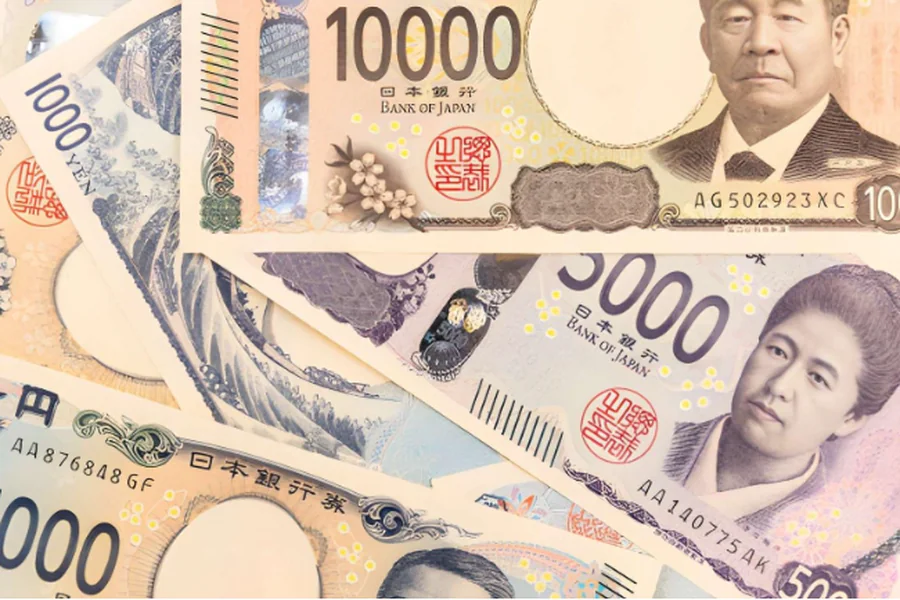
The smallest banknote currently in circulation in Japan is the ¥1,000 note. For smaller amounts, Japan uses coins, including ¥1, ¥5, ¥10, ¥50, ¥100, and ¥500 denominations. The ¥1,000 note is commonly used for everyday purchases and transportation expenses.