A vacation close to home can feel less exciting than a long trip at first. The distance seems too familiar, the roads too known, and the idea too simple. Yet many people overlook the places around them because they only search for travel experiences far away. A 100-kilometer radius can contain forests, lakes, old towns, food routes, farms, trails, viewpoints, craft workshops, museums, and villages that never appear in standard vacation planning.
The value of a local vacation is not only lower cost. It reduces travel fatigue, limits planning pressure, and makes short breaks possible. Some people spend free evenings reading, watching sport, gaming, or taking a quick online pause to click here, but a close-to-home vacation works best when it turns nearby geography into a deliberate experience rather than a default weekend.
Why the 100-Kilometer Radius Works
One hundred kilometers is a practical distance. It is far enough to change the setting but close enough to avoid the stress of airports, long transfers, and heavy packing. In many regions, this radius can be covered by car, train, bus, bicycle routes, or a combination of transport.
The distance also allows flexibility. You can leave after work on Friday, take a day trip on Saturday, or plan two nights without using much vacation time. If the weather changes or the place disappoints, returning home is simple. This lowers the risk of trying less obvious destinations.
A local trip also changes how you define rest. Instead of depending on novelty from distance, it creates novelty from attention. A small town you usually pass by can become interesting when you walk its streets, visit the local market, eat regional food, and follow a trail outside the center.
Start with a Map, Not a Search Engine
Search engines often show the most promoted attractions. A map gives a broader view. Open a map, locate your home, and imagine a circle of 100 kilometers around it. Then look for patterns: rivers, forests, hills, lakes, rail lines, old roads, protected areas, small towns, and border regions.
Zoom in slowly. Many useful places are not famous enough to rank in travel articles. Look for labels such as nature reserve, viewpoint, monastery, castle ruins, botanical garden, open-air museum, local history museum, ferry crossing, farm shop, public beach, cycling route, or hiking path.
Save every place that seems even slightly interesting. At this stage, do not judge too quickly. The aim is to build a raw list. Later, you can filter it by season, transport, cost, and energy level.
Use Themes to Make the Trip Feel Intentional
A local vacation needs a theme more than a distant vacation does. Without a theme, it may feel like random movement. A theme gives the trip a purpose and helps you choose between options.
Possible themes include food, rivers, architecture, hiking, local history, photography, gardens, cycling, wellness, craft, books, farms, or quiet recovery. For example, a food theme may lead you to bakeries, markets, cheese makers, fruit farms, or regional restaurants. A history theme may lead to old towns, fortifications, churches, industrial sites, or museums.
The theme does not have to be complex. “Three lakes in one weekend” or “small towns with good walking routes” is enough. The point is to create a frame that makes nearby places feel like a planned experience.
Search Local Sources
National travel platforms often miss local detail. Better information may come from municipal websites, regional tourism pages, hiking clubs, cycling groups, local event calendars, library boards, community centers, and social media pages for towns or districts.
Search with practical phrases: “weekend market,” “nature trail,” “local festival,” “farm visit,” “river walk,” “historic village,” “bike route,” “open garden,” “craft workshop,” “guided tour,” or “regional food fair.” These terms often produce more useful results than general phrases like “best places to visit.”
Local newspapers and community pages are also useful because they list small events: summer concerts, food days, exhibitions, harvest markets, open studios, and walking tours. These events can turn an ordinary village into a reason for a trip.
Follow Transport Lines
Transport routes can reveal destinations that are easy to visit but easy to ignore. Look at train lines, regional buses, bike paths, river roads, and scenic drives within 100 kilometers. A place does not need to be famous if it is simple to reach and pleasant to explore.
Train-based local vacations are especially useful because they remove parking stress. Choose a line, pick two or three stops, and research what is within walking distance of each station. This can create a low-effort itinerary for a day or weekend.
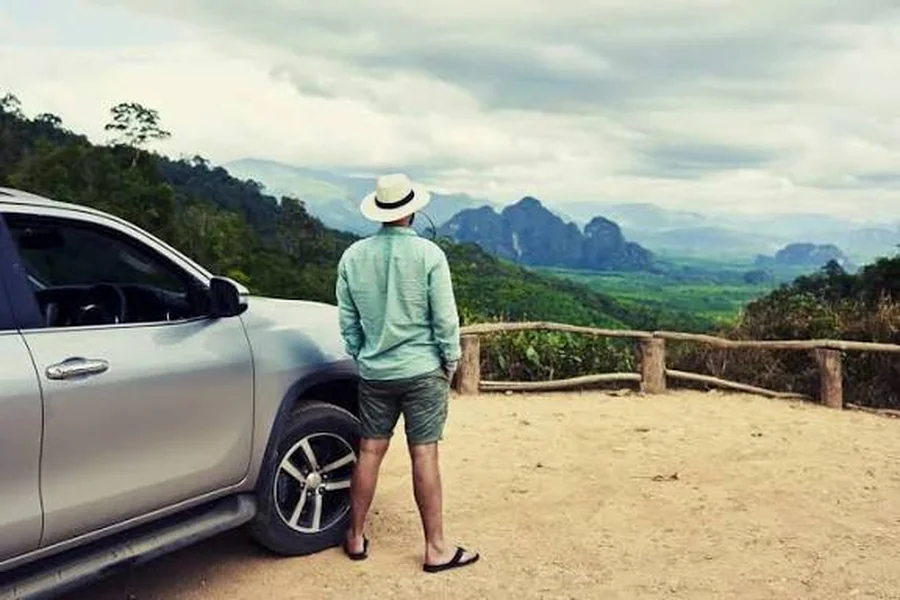
For car trips, avoid only choosing major roads. Secondary roads often pass through villages, forests, lakes, and local food producers. The route itself can become part of the vacation if you plan stops instead of rushing to one destination.
Filter by Energy, Not Only Interest
A place can be interesting and still wrong for a specific weekend. Before deciding, ask what kind of energy you have. If you are tired, choose one base, short walks, simple food, and early nights. If you want movement, choose trails, cycling routes, kayaking, or outdoor activities. If the weather is hot, choose forests, lakes, shaded towns, or higher ground.
This filter prevents disappointment. A museum-heavy city day may be good in rain but exhausting in heat. A hiking route may be ideal in spring but difficult after a poor sleep week. The best local vacation fits the current body, not only the travel wish list.
Build a Simple Itinerary
For a one-day trip, choose one main place and one optional stop. For a two-day trip, choose a base, one main activity per day, and two flexible meals. For three days, add one deeper experience such as a guided walk, workshop, longer route, or local event.
Avoid filling every hour. The advantage of staying close to home is not only saving travel time; it is also removing pressure. Leave room for slow breakfast, unplanned streets, a second coffee, or a longer walk than expected.
A good structure might be: arrive, walk, eat, rest, do one planned activity, then leave space. The schedule should guide the trip without controlling it.
Check Practical Details Before Leaving
Short trips can be disrupted by small oversights. Check opening hours, parking, public transport times, weather, trail conditions, restaurant availability, payment options, and mobile coverage. Local destinations may have limited hours, especially in smaller towns.
Pack according to the activity, not the distance. Comfortable shoes, water, a light layer, sun protection, a charger, basic medicine, and offline maps can matter even 40 kilometers from home.
Turn Nearby Places into a Repeat System
A close-to-home vacation does not have to be a one-time event. Keep a list of saved places and divide them by theme: nature, food, culture, active trips, rainy-day options, and overnight stays. This creates a personal travel database.
Over time, the 100-kilometer radius becomes less ordinary. You begin to see patterns, seasons, routes, and places worth returning to. The area around home becomes a travel field rather than background.
A vacation close to home works when it is planned with intention. Distance is only one way to create change. Attention, structure, and curiosity can do the same. Within 100 kilometers, there may be enough places to fill many summers if you learn how to look.