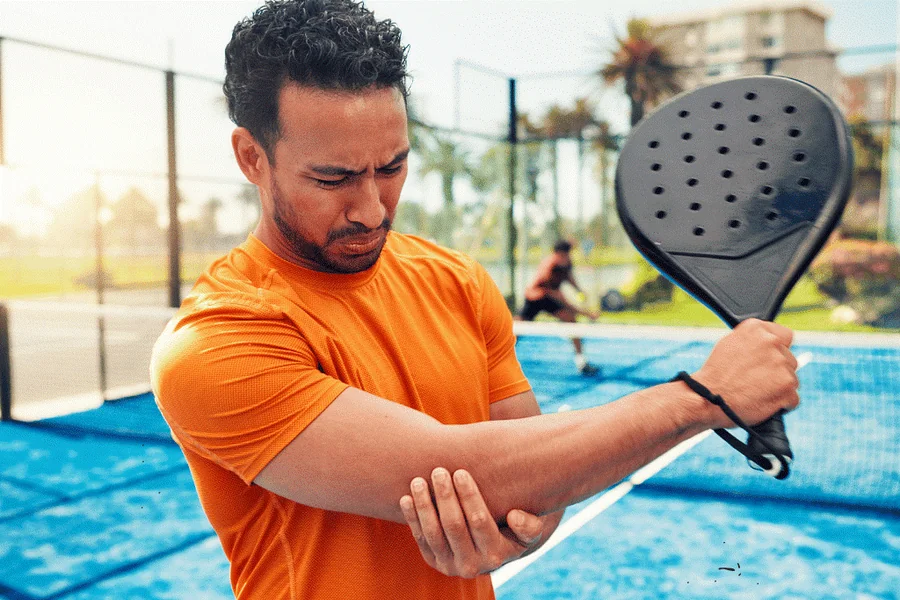
Sports are meant to be fun, competitive, and physically engaging—but they also come with risks. Whether you’re playing in a local league, training at a gym, or participating in organized school sports, injuries can happen in an instant. But what many people wonder after getting hurt is:
Can you actually sue for a sports injury?
The short answer is: yes, but not always. It depends on how the injury happened and whether someone else’s negligence played a role—this is where a sports injury claim lawyer can help you understand your rights.
Let’s break down the truth in simple terms.
Understanding the “Assumption of Risk”
One of the biggest reasons sports injury lawsuits are complicated is something called assumption of risk.
When you choose to participate in a sport, you are generally considered to have accepted the normal risks that come with it. For example:
- In football, you might get tackled
- In basketball, you could collide with another player
- In cycling, there’s a risk of falling
These are considered inherent risks—and you typically can’t sue someone just because they happened.
When Can You Sue for a Sports Injury?
You may have a valid legal claim if your injury was caused by negligence or misconduct, not just normal gameplay.
Here are some common situations where you can sue:
1. Negligent Facility Conditions
If your injury happened because a sports facility was unsafe, the owner or operator may be responsible.
Examples include:
- Wet or slippery floors in a gym
- Broken equipment
- Poorly maintained playing surfaces
- Lack of proper lighting
Property owners have a duty to keep their premises safe for users.
2. Reckless or Intentional Behavior
There’s a difference between aggressive play and dangerous conduct.
If another player:
- Intentionally injures you
- Uses excessive force beyond normal gameplay
- Acts recklessly without regard for safety
You may be able to take legal action against them.
3. Lack of Proper Supervision
In organized sports—especially involving children—coaches, trainers, and organizations are responsible for supervision.
You may have a case if:
- There was no qualified supervision
- Safety rules weren’t enforced
- Players were allowed to engage in dangerous behavior
4. Faulty or Defective Equipment
If your injury was caused by defective gear, the manufacturer or supplier could be liable.
Examples:
- A helmet that fails to protect properly
- Faulty gym machines
- Defective protective equipment
In these cases, it may fall under product liability law.
5. Negligent Coaching or Training
Coaches and trainers have a duty to act responsibly.
You may have grounds to sue if:
- You were pushed beyond safe physical limits
- Proper warm-ups or safety protocols were ignored
- Injuries were dismissed or not treated seriously
When You Usually Can’t Sue
There are situations where filing a lawsuit is unlikely to succeed.
For example:
- Injuries caused by normal gameplay
- Accidental collisions during fair play
- Risks that are clearly part of the sport
Even if the injury is serious, the law often recognizes that sports come with unavoidable risks.
What About Waivers?
Many sports facilities and organizations require participants to sign liability waivers.
These waivers are meant to protect them from lawsuits—but they are not always absolute.
A waiver may not protect a party if:
- There was gross negligence
- The terms were unclear or unfair
- The injury involved unsafe conditions
So even if you signed something, it doesn’t automatically mean you have no legal options.
What Compensation Can You Claim?
If your case is valid, you may be able to recover compensation for:
- Medical expenses
- Rehabilitation costs
- Lost income
- Pain and suffering
- Future care needs
The amount depends on the severity of your injury and how it impacts your life.
What Should You Do After a Sports Injury?
If you believe your injury may involve negligence, take these steps:
- Seek medical attention immediately
- Report the incident to the organization or facility
- Document everything (photos, videos, witness details)
- Keep records of medical treatment and expenses
- Avoid signing anything without understanding it
These actions can make a big difference if you decide to pursue a claim later.
Why Legal Advice Matters
Sports injury cases are not always straightforward. The line between “normal risk” and “negligence” can be difficult to prove.
A personal injury lawyer can help:
- Evaluate whether you have a case
- Identify who is legally responsible
- Gather strong evidence
- Handle negotiations with insurance companies
- Maximize your compensation
Many people assume they don’t have a case when they actually do—so getting professional advice early is always a smart move.
Read the article: Power Foods Every Fitness Enthusiast Should Include in Their Diet
Final Thoughts
So, can you sue for a sports injury?
Yes—but only when someone else’s negligence, recklessness, or failure to ensure safety caused your injury.
If your injury was simply part of the normal risks of the game, a lawsuit may not be possible. But if something felt wrong—unsafe conditions, lack of supervision, or reckless behavior—it’s worth looking into your legal options.
If you’ve been injured while playing sports and aren’t sure what to do next, consider speaking with a personal injury lawyer. A quick consultation can help you understand your rights and whether you have a valid claim.