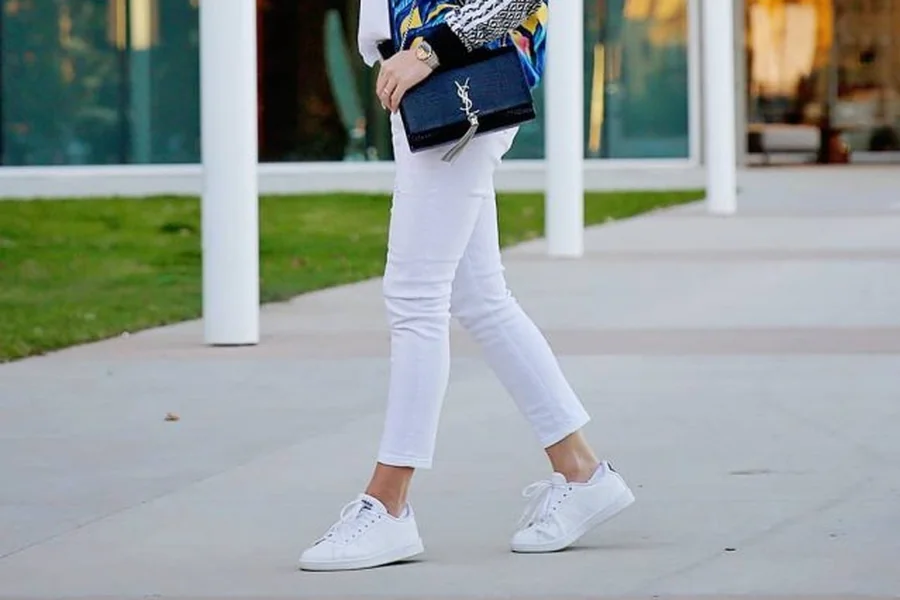
Portrait photography is often viewed as a simple act of capturing a person’s likeness, but in the commercial world, it is an intricate blend of psychology, technical precision, and artistic direction.
Commercial portrait photography isn’t just a picture of someone; it is a carefully constructed image designed to sell a brand, a lifestyle, or a level of professional authority. Whether it is a corporate headshot for a CEO or a high-fashion editorial, the underlying principles remain the same. Understanding these essentials allows photographers to move beyond “taking” a photo and start “making” an image.
The Foundation of Pre-Production
In commercial photography, the work begins long before the camera is ever taken out of its bag. Pre-production is the phase where the vision is defined. Commercial photographers usually work with a creative brief, which outlines the goals of the project, the intended audience, and the overall mood. If the goal is a “friendly and approachable” tech founder, the lighting and color palette will be vastly different than if the goal is a “mysterious and edgy” musician.
During this stage, photographers also handle the logistics of scouting locations and hiring a creative team. This team often includes hair and makeup artists, wardrobe stylists, and lighting assistants. In the commercial world, the photographer is like a film director; they are responsible for the final output, but they rely on the expertise of their crew to ensure every detail—from the flyaway hairs to the wrinkles in a shirt—is perfect before the shutter clicks.

Mastering the Gear: Lenses and Bodies
Commercial photographers are meticulous about their gear selection because they need high-resolution files that can be scaled for billboards or high-end print magazines. Most professionals use full-frame or medium-format cameras to ensure maximum detail and dynamic range. However, the choice of lens is perhaps even more critical than the camera body itself when it comes to portraits.
The “holy trinity” of portrait focal lengths usually includes the 35mm, 50mm, and 85mm lenses. An 85mm prime lens is a staple because it offers a flattering compression of facial features and a beautiful “bokeh” (background blur) that makes the subject pop. For tighter headshots, a 105mm or 135mm lens might be used to further compress the perspective. On the other hand, environmental portraits—where the surroundings are as important as the person—often require a 35mm lens to capture the context of the workspace or home.
The Secret Language of Lighting
If there is one thing that separates a hobbyist from a commercial pro, it is the mastery of light. Commercial photographers don’t just look for good light; they create it. The primary light source is known as the “Key Light.” This defines the shape of the face and the mood of the photo. By moving the key light just a few inches, a photographer can transition from “Rembrandt lighting”—characterized by a small triangle of light on the shadowed cheek—to “Butterfly lighting,” which creates a glamorous, symmetrical look often seen in beauty advertisements.
Beyond the key light, pros use “Fill Lights” to soften shadows, “Rim Lights” (or hair lights) to separate the subject from the background, and “Background Lights” to create depth. They also use modifiers like softboxes, umbrellas, and beauty dishes to change the quality of the light. A large softbox mimics the soft, wrapping light of a window, while a beauty dish provides a crisper, more directed light that emphasizes skin texture and bone structure.

The Art of Subject Direction and Posing
A common misconception is that professional models know exactly what to do. In reality, even the best models need direction to match the specific “vibe” of a commercial shoot. Commercial photographers spend a significant amount of time studying body language. They know that a slight tilt of the chin can change a look from defiant to submissive, or that shifting weight to the back foot can create a more relaxed, natural silhouette.
Communication is the most important tool here. Instead of telling a subject to “look happy,” a pro might tell a story or give them a specific “character” to play. For example, they might say, “Imagine you just closed the biggest deal of your life and you’re feeling quietly confident.” This results in an authentic expression rather than a forced smile. Constant feedback is also vital; telling the subject they are doing a great job builds the confidence necessary for them to let their guard down.
Composition and the Rule of Intent
In a commercial portrait, every element in the frame must have a purpose. This is called “Rule of Intent.” While the “Rule of Thirds” is a great starting point, commercial photographers often break it to achieve a specific graphic impact. Centered compositions can feel powerful and direct, while giving the subject plenty of “negative space” on one side of the frame allows room for a graphic designer to add text or a company logo later.
Color theory also plays a massive role in composition. Photographers will coordinate the wardrobe with the background to create either a complementary color scheme (colors opposite each other on the wheel, like blue and orange) or an analogous one (colors next to each other). This ensures the image feels harmonious and professional. They also pay close attention to leading lines—using architectural elements or furniture to lead the viewer’s eye directly to the subject’s face.
The Technical Trinity: Shutter, Aperture, and ISO
In a studio environment, commercial photographers usually keep their ISO as low as possible (ISO 100) to ensure the cleanest image with the least amount of digital noise. The shutter speed is typically set to the “sync speed” of their flash triggers, usually around 1/160th or 1/200th of a second. This is fast enough to freeze any slight movement from the subject but slow enough to allow the camera and the lights to communicate perfectly.
Aperture is where the creative decisions happen. While many beginners love shooting at f/1.8 for extreme blur, commercial pros often stop down to f/5.6 or f/8. This is because, in a commercial headshot, you usually want both eyes, the tip of the nose, and the ears to be in sharp focus. If the depth of field is too shallow, a person’s nose might be sharp while their eyes are blurry, which is generally considered a mistake in the commercial world unless it is a very specific artistic choice.
Tethered Shooting: The Commercial Standard
If you walk onto a professional commercial set, you will likely see a laptop or a large monitor connected to the camera by a long cable. This is called “tethering.” It allows the photographer, the client, and the stylists to see the images in real-time on a large screen. This is an essential part of the workflow because it is impossible to see critical details—like a piece of lint on a suit or a slightly out-of-focus eye—on the tiny LCD screen on the back of the camera.
Tethering also speeds up the selection process. In many cases, the client will “star” their favorite images as the shoot progresses. This collaborative environment ensures that by the time the gear is packed up, everyone is 100% confident that they “got the shot.” It also allows the digital tech to apply a basic “look” or color grade to the photos instantly, giving the client a better idea of what the final polished version will look like.
Post-Processing and High-End Retouching
The journey of a commercial portrait doesn’t end when the memory card is full. In fact, for some, the post-processing is where the magic really happens. However, commercial retouching is not about making someone look like a different person or a plastic doll. The goal is “invisible” retouching. This involves a technique called “Frequency Separation,” which allows the retoucher to fix skin blemishes and color blotchiness on one layer while keeping the natural skin texture on another.
Retouchers also use “Dodge and Burn” to subtly contour the face, enhancing the highlights and shadows to make the features pop. They will clean up distracting elements in the background, straighten horizons, and perform color grading to ensure the image matches the brand’s identity. A luxury brand might want a desaturated, high-contrast look, while a family-oriented brand might want bright, warm, and saturated colors.
The Importance of the Digital Asset Management
Finally, commercial photographers must be experts at managing their files. A single shoot can result in hundreds of gigabytes of data. Professionals use a tiered backup system: one copy on a local working drive, one copy on a secondary backup drive, and one copy in the cloud. They also use metadata tagging so they can easily find images years later.
Delivering the files is the final step. Clients often require different versions of the same image: high-resolution TIFFs for print, and smaller, optimized JPEGs for social media and websites. Providing a clean, organized delivery gallery is the mark of a true professional and often the reason why clients return for future projects.
Conclusion: Bringing it All Together
Commercial portrait photography is a high-stakes balancing act. It requires the technical knowledge of a scientist, the eye of an artist, and the social skills of a therapist. By focusing on meticulous pre-production, mastering light and gear, and maintaining clear communication with the subject, photographers can create portraits that do more than just show a face—they tell a story and fulfill a commercial purpose.
Success in this field comes down to consistency. A professional isn’t someone who gets a great shot once in a while; they are someone who can deliver a high-quality, on-brand result every single time, regardless of the challenges they face on set. Mastering these essentials is the first step toward building that level of professional reliability.