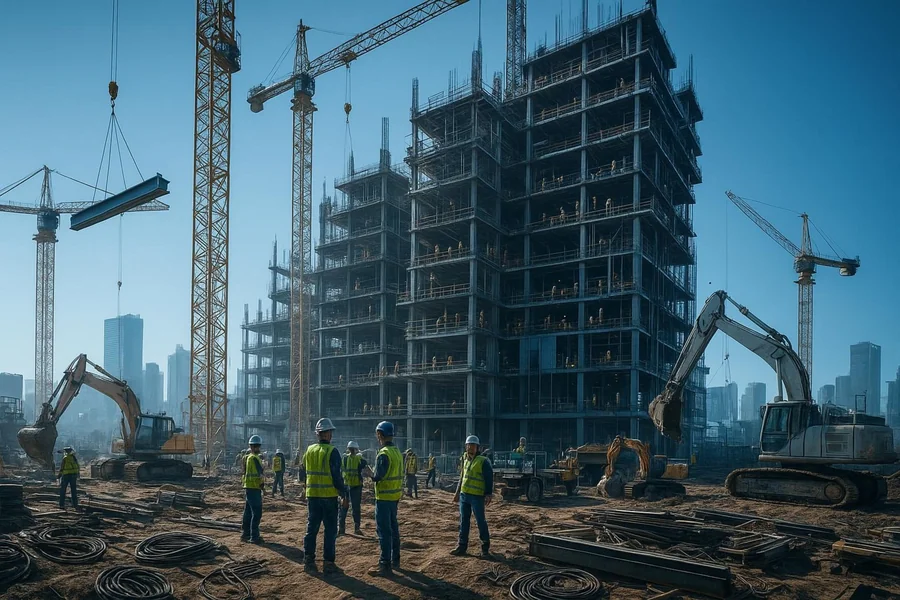
Proper planning in large construction projects is the master plan that connects every part of a big build, from the first site clearing to the final inspection. It is the main support that helps a project run smoothly, uses resources well, and controls risks before they turn into costly problems. Planning gives everyone a clear step-by-step path that balances time, cost, and quality, so stakeholders can move from an idea to a finished building without the confusion that often hits poorly organized job sites.
Without this solid groundwork, even the boldest projects can quickly fall apart. Good planning links the architect’s vision to what can realistically be built, so teams can see problems in advance instead of just reacting to them. In a field where millions of dollars and the safety of many workers are on the line, careful preparation is not a nice extra-it is the base of professional work and project success.
What Is the Role of Proper Planning in Large Construction Projects?
Why Do Large Projects Depend on Detailed Planning?
Large construction projects are very complex and move through many stages, using huge amounts of materials, money, and labor. Because these projects can last months or years, they face many changing factors, such as market prices, weather, and new rules.
Detailed planning is the “glue” that holds all of this together. It sets a shared goal and keeps architects, engineers, contractors, and clients working from the same plan. When everyone understands the purpose and scope from the start, the chances of confusion and costly mistakes drop sharply.
Planning also gives a clear method for making decisions. Without a strong plan, projects can drift, causing confusion and possible failure. By defining the scope of work and project goals early, planners can rank tasks and focus on what matters most. This is especially important in large builds where the size of the job can easily overwhelm managers if they do not have an organized way to control and track the work.
How Does Planning Influence Project Outcomes?
Planning has a huge effect on how a project turns out. Research often shows that the time and money spent on planning are small compared to the savings during construction. Studies indicate that detailed planning can cut implementation costs by 10% to 50% by spotting risks early and avoiding expensive rework. A well-planned project is about 2.5 times more likely to meet its goals than a project with weak management and planning.
Planning also affects the physical quality and safety of the build. It makes it possible to set strong quality control rules and safety standards that protect workers and future users. A well-planned project is stable; it moves from one milestone to the next with fewer interruptions. By spotting likely bottlenecks in advance, planners keep the work flowing and deliver a final product that meets or even beats the client’s expectations.
Key Benefits of Proper Planning in Large Construction Projects
Increases Cost Certainty Through Budget Management
Budgeting is one of the most important parts of planning. Construction projects are known for going over budget, with some large builds ending up as much as 80% higher than planned. Good planning fights this by creating a detailed budget that covers all expected costs-materials, labor, permits, and even specialized work such as balcony waterproofing. By including these specific needs early in the financial plan, managers can avoid the shock of last-minute additions.
Accurate cost estimates and backup funds are key for keeping the project financially stable. When planners carry out a detailed cost review, they can spot ways to save money and keep the project feasible even if material prices change. This forward-thinking approach stops the project from stalling due to cash shortages and gives stakeholders confidence that their money is being handled carefully.
Minimizes Delays by Optimizing Scheduling and Sequencing
Time is money in construction, and a clear plan is the best tool against delays. Planning includes building a full project schedule that sets start and end dates, milestones, and deadlines for each stage. This organized approach makes sure tasks happen in the right order and avoids situations where one crew waits around for another to finish.
For example, if concrete must cure for seven days before framing, that curing step sits on the critical path.
Good scheduling also improves logistics. When managers know exactly when materials and equipment are needed, they can avoid blockages and keep workers busy and productive. This careful timing helps the project move forward more smoothly and lowers the chance of the 20% time delays often seen on big commercial and infrastructure projects.
Reduces Project Risks with Proactive Mitigation Strategies
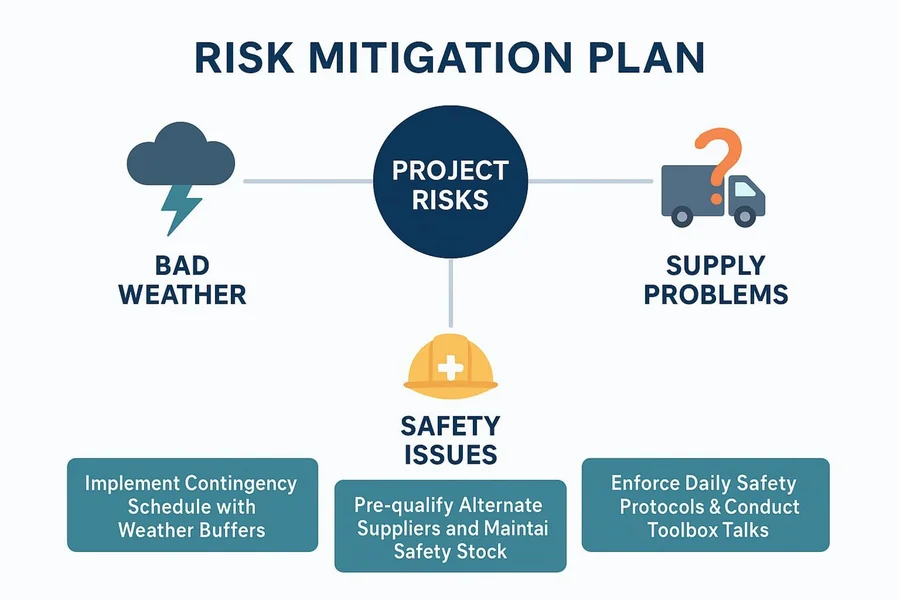
Every construction site carries risks, from bad weather and supply problems to accidents and safety issues. Planning helps identify and rate these risks before they become real setbacks. By doing a clear risk analysis, stakeholders can prepare ways to reduce each risk and set up backup plans. This early work lets the team respond quickly when something unexpected happens and reduces its effect on the project schedule.
Risk management is about more than just avoiding delays; it is also about protecting people on-site. Part of that protection extends to the machinery that powers large-scale construction. Keeping heavy equipment in dependable working condition is a key safety measure. Which is why sourcing quality replacement components like Caterpillar final drive from a trusted parts reseller helps reduce unexpected mechanical failures before they create dangerous situations or halt progress. Planning brings in safety rules and environmental reviews that lower the chance of accidents and legal trouble. When a team is ready for possible problems, the project gains strength and can handle the many challenges of modern large-scale construction.
Improves Coordination and Communication Among Stakeholders
Big projects involve many groups: owners, architects, engineers, specialty trades, and suppliers. Good planning is the base for clear communication and teamwork among them. A written plan becomes a shared guide that sets out tasks and responsibilities, so everyone works toward the same goal. Planned meetings and updates keep all parties informed and help fix issues early.
This level of coordination builds cooperation and cuts down on disputes that come from confusion. When communication is open and roles are clear, the project team can work like a single unit. This teamwork improves efficiency and gives the client a smoother experience, as they stay informed and confident from start to finish.
What Are the Critical Elements of Construction Planning?
Defining Project Scope, Vision, and Objectives
The first step in any strong plan is to set a clear vision. This means defining the purpose, main goals, and final deliverables of the project. Stakeholders must agree on the scope of work-what is included and what is not. This clarity keeps the team focused and helps prevent “scope creep,” where extra work is added without more time or money.
Clear objectives are measurable and allow the team to track progress. Whether the project is a green residential complex or a busy commercial center, a shared picture of the final result supports better decisions at each later stage of planning.
Resource Allocation: Labor, Equipment, and Materials
Good resource management is central to construction. Planning means working out exactly what is needed: how many skilled workers, what machines, and how much material. By carefully judging these needs, planners can avoid shortages that stop work and cut down on waste that harms profit.
In today’s market, where skilled workers can be hard to find, early planning helps companies book staff and equipment ahead of time. Strong resource planning makes sure the right people and tools are on-site when needed, supporting a project that stays cost-effective and productive.
Timeline Development: Milestones and Scheduling Tools
A realistic timeline is more than a calendar; it is a planning tool that shows how tasks depend on each other and where the critical path lies. Planners use Gantt charts and project management software to show the full build step by step. By marking key milestones-such as finishing the foundation or installing MEP (mechanical, electrical, and plumbing) systems-managers can see progress and adjust dates when needed.
A good schedule also includes buffers for delays, such as permit holdups or bad weather. This extra time helps the project handle small problems without missing the final deadline. On ground-up projects, where each stage depends on the last, this level of timing accuracy is extremely important.
Budgeting and Cost Control Processes
Budgeting runs from the first estimate to the final handover. A strong plan covers material lists, labor rates, permit fees, and a careful review of places where money can be saved. Once work starts, cost control systems track real spending against the budget and let managers react quickly to any differences.
Healthy financial control also means managing cash flow. By planning when to pay subcontractors and suppliers, firms can keep enough cash on hand to keep work going. This constant money management helps prevent overruns that could put the entire project at risk.
Quality Assurance and Performance Benchmarks
Planning has a major role in keeping quality high on large projects. A detailed plan sets material standards and building methods that match industry best practices and client needs. By setting clear quality and performance targets, planners help deliver a building that is safe, durable, and visually appealing.
Quality assurance steps-such as routine inspections and material tests-allow the team to watch quality as they build. This reduces the need for costly fixes at the end and helps the project meet all building codes and safety rules.
Addressing Legal and Regulatory Compliance
Large construction work must follow many laws and rules, including zoning, building codes, and safety standards. A solid plan makes sure all required permits and approvals are in place before work begins. This early focus on compliance helps avoid legal trouble, fines, and delays linked to missed or late approvals.
Following these rules also protects everyone involved and supports safe, reliable construction. By folding legal requirements into the planning stage, firms can design and build with confidence that the project satisfies local and national standards.
Environmental Analysis and Sustainability Planning
Today, sustainability is a standard part of construction planning. This stage looks at the project’s impact on the environment and adds greener practices where possible. Examples include using eco-friendly materials, designing for energy savings, and setting up waste reduction and recycling on-site.
Reviewing environmental impact early helps meet regulations and supports company social responsibility goals. Planning for sustainability can also improve the project’s image and lower long-term operating costs for the owner through reduced energy and maintenance expenses.
How Does Technology Enhance Planning in Construction?
The Use of Building Information Modeling (BIM)
Building Information Modeling (BIM) has changed how large projects are planned. BIM creates a detailed 3D digital model of the project, offering a view that standard 2D drawings cannot. Stakeholders can test different designs, spot clashes between systems (like pipes and electrical runs), and check performance before on-site work starts.
BIM supports tight teamwork between architects, engineers, and contractors by keeping everyone on a single, data-rich model. This accuracy cuts down on mistakes, improves material take-offs, and supports more exact cost estimates, making planning more reliable and efficient.
Project Management Software for Schedule and Cost Tracking
Modern project management software gives a live picture of how the project is doing. Tools like Touchplan and other cloud systems let managers track schedules, watch costs, and move resources as needed. These tools help teams work together and make sure any change in one area updates the plan for everyone.
By serving as a single shared source of information, these platforms replace messy spreadsheets and paper plans. They also collect data that lets project leaders compare real performance to targets, spot problems early, and keep the project on time and on budget.
Role of Artificial Intelligence in Predictive Planning
Artificial Intelligence (AI) is playing a growing part in planning for construction. By studying data from past projects, AI tools can find patterns and predict likely risks or delays. This helps project managers make decisions based on data and set up responses before problems appear.
AI can also improve how resources are used by predicting when certain trades or materials will be needed, based on past trends. This level of foresight turns planning from a mainly reactive task into a forward-looking practice that gives firms a strong advantage on complex, large projects.
Common Planning Challenges and How to Overcome Them
Dealing with Resource Shortages
Shortages of workers and materials are very common in construction today. To manage this, firms need strong resource planning. This includes building good relationships with several suppliers and signing labor contracts early. Flexible plans that allow for alternate materials-while still meeting quality standards-can help the project continue when regular supplies are delayed.
Using technology to follow resource levels in real time helps managers move people and materials where they are needed most. By tracking market changes and always having backup options for key items, teams can limit the harm that shortages can do to the schedule.
Responding to Unforeseen Site Conditions
Even with solid research, hidden site conditions can surprise a project. Unknown soil issues, buried utilities, or unexpected finds in the ground can all disrupt the plan. The best way to reduce these shocks is to carry out a thorough site study and feasibility check early. When surprises do occur, having a strong backup plan and flexible leadership approach is key.
Keeping a specific contingency fund for unknown site issues gives the team money to handle these problems without stopping work. Fast decision-making and open communication with the client and regulators also help deal with these issues more quickly.
Managing Regulatory Changes and Permit Delays
Rules and codes change often, and permits can take longer than expected. To lower this risk, planners must stay up to date on zoning and building code changes. Adding extra time into the schedule for permits is a simple way to keep these delays from pushing the whole project off track.
Building positive relationships with local officials can also speed up approvals. By being open, organized, and responsive, construction firms can often fix potential issues before they become serious hold-ups.
Balancing Quality, Cost, and Time
The classic “iron triangle” of quality, cost, and time is a constant trade-off. A gain in one area often pressures the others. Handling this well calls for careful planning and clear priorities. For example, if the schedule is the top priority, the budget may need extra funds for more workers or faster shipping.
Honest communication with stakeholders plays a big role here. When everyone understands the trade-offs behind each choice, managers can align expectations and pick options that support the overall project. Insights from experienced partners like https://novaconstructionservices.com/ suggest that routine reviews of scope, budget, and schedule help keep this balance steady as the work moves forward.
Frequently Asked Questions About Construction Project Planning
Why Is Ground-Up Construction Especially Dependent on Careful Planning?
Ground-up construction means starting with bare land and building from the ground to the roof. Every stage-site prep, foundation, structure, systems, and final inspection-depends on the one before. A mistake early on can cause a chain reaction of problems. Planning provides the base plan that checks the land level, soil stability, drainage, and other site factors before major work begins.
On these projects, coordinating many trades and large resource needs is much harder than on typical renovation jobs. Without a clear plan, the odds of major errors and safety incidents rise sharply. Careful planning keeps each step in order and supports a safe, durable, and on-time project.
What Is the Critical Path Method and How Does It Prevent Delays?
The Critical Path Method (CPM) is a planning method that finds the specific chain of tasks that sets the shortest time the project can take. Any delay in a task on this “critical path” pushes back the whole project. For example, if concrete must cure for seven days before framing, that curing step sits on the critical path.
By finding these key tasks, managers can focus attention, labor, and money where they matter most. CPM helps remove bottlenecks and supports more accurate planning for delays. Knowing which tasks have “float” (time flexibility) and which do not lets the team set better priorities and keep the project moving even when minor problems occur.
How Can Early Planning Reduce Cost Overruns?
Early or front-end planning can lower project costs by up to about 20%. This happens because it spots design issues and risks at a point when changes are still cheap. As the project moves forward, any change costs more; a $1,000 design fix on paper might cost $100,000 after concrete and steel are in place.
Early planning also improves cost estimates and supports value engineering-reviewing materials and methods to find cheaper options with similar performance. By doing this analysis before construction starts, firms can set realistic budgets and avoid financial stress from surprise expenses.
What Are the Most Important Success Factors in Large Project Planning?
Key success factors include:
- Clear and regular communication
- A well-defined scope and shared project goals
- Use of modern tools such as BIM and project management software
- Strong project leadership and experienced managers
- Active risk management and solid resource planning
- Firm commitment to safety and quality standards
Flexibility is also very important. A plan must be structured but still able to adjust as conditions change. When teams stay open to change while guarding quality and safety, the final building can meet client needs and show a high level of professional skill.
Final Thoughts on Improving Large Construction Outcomes with Better Planning
Looking at construction in 2026 and beyond, the mix of human experience and advanced data tools is becoming standard practice. The old divide between “office planners” and on-site crews is fading. Successful firms now value the practical knowledge of long-time tradespeople as much as the insights from AI-based software. When these strengths work together, projects become more efficient, more inventive, and better able to handle stress and change.
The focus of planning is also widening to cover the full life of a building, not just the build phase. Planners are now thinking about how a structure will be used, maintained, and eventually removed or repurposed. This “life-cycle” view helps make sure that today’s large projects are built with care and also set up for long-term durability, low running costs, and environmental responsibility.
By putting strong preparation first and making smart use of new technology, the construction industry can keep building the backbone of our cities while delivering projects that regularly exceed client expectations.