
Introduction
So you’ve decided that ink you once loved no longer fits your story. Maybe your tastes have changed, or perhaps that tattoo is holding you back professionally. Whatever your reason, you’re not alone. Millions of people seek tattoo removal each year, and modern technology has made the process safer and more effective than ever before.
Getting a tattoo removed isn’t as simple as erasing a mistake with a pencil, though. It requires careful consideration, the right technology, and a qualified professional. This guide will walk you through everything you need to know about removing unwanted ink safely and effectively.
Understanding How Tattoo Removal Actually Works
Tattoo removal relies primarily on laser technology that breaks down ink particles beneath your skin. When you got your tattoo, the artist injected ink into your dermis, the second layer of skin. Your immune system has been trying to remove these foreign particles ever since, but they’re simply too large to carry away.
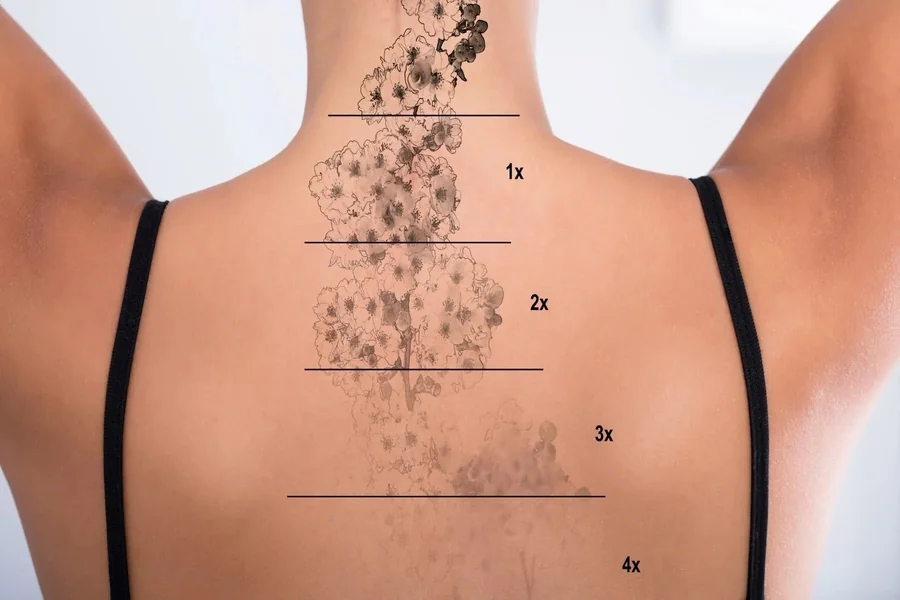
Laser removal works by delivering concentrated light energy that shatters these ink particles into smaller fragments. Once broken down, your body’s immune system can naturally flush them out through your lymphatic system. This process takes time, which is why multiple sessions are always necessary.
Different laser wavelengths target different ink colors. Black and dark blue inks are easiest to remove because they absorb all laser wavelengths. Lighter colors like yellow, green, and fluorescent inks are more challenging and may require specialized lasers.
Choosing the Right Removal Method
While laser removal is the gold standard, several methods exist in the market. Understanding your options helps you make an informed decision.
Laser removal, particularly with Q-switched and picosecond lasers, offers the safest and most effective results. These technologies minimize damage to surrounding skin while maximizing ink breakdown. Picosecond lasers are newer and can work faster with less discomfort.
Surgical excision involves literally cutting out the tattooed skin and stitching the area closed. This method works only for very small tattoos and leaves a scar. Dermabrasion sands away skin layers, which is painful and carries higher infection risks.
Avoid cream-based removal products advertised online. These rarely work and can cause skin damage, scarring, or allergic reactions. When seeking safe and effective tattoo removal Calgary residents and people everywhere should stick with proven laser technology administered by qualified professionals.
What to Expect During the Removal Process
Your first appointment should be a consultation where a specialist examines your tattoo and discusses realistic expectations. They’ll consider factors like ink colors, tattoo age, your skin type, and your overall health.
During treatment, most people describe the sensation as similar to having a rubber band snapped against their skin repeatedly. Some clinics offer numbing creams or cooling devices to minimize discomfort. Sessions typically last between 15 and 30 minutes, depending on tattoo size.
You’ll need multiple sessions spaced six to eight weeks apart. This waiting period allows your immune system to clear away shattered ink particles and your skin to heal. Small, simple tattoos might require four to six sessions, while large, colorful pieces could need ten or more.
Preparing Your Skin for Optimal Results
Proper preparation significantly impacts your results and reduces complication risks. Start by avoiding sun exposure for at least four weeks before treatment. Tanned or sunburned skin increases the risk of pigmentation changes and burns.
Stay well-hydrated in the weeks leading up to your appointment. Healthy, hydrated skin responds better to treatment and heals faster. If you smoke, consider quitting or at least reducing consumption, as smoking impairs circulation and slows the removal process.
Avoid blood-thinning medications and supplements like aspirin, ibuprofen, and vitamin E for a week before treatment unless medically necessary. These can increase bruising and bleeding during the procedure.
Aftercare and Managing Side Effects
Proper aftercare prevents complications and promotes healing. Immediately after treatment, you’ll likely experience redness, swelling, and a sensation similar to sunburn. Applying ice packs and keeping the area elevated helps reduce swelling.
Keep the treated area clean and dry for the first few days. Your specialist will likely recommend applying antibiotic ointment and covering the area with a sterile bandage. Avoid picking at any blisters or scabs that form, as this increases scarring risk.
Temporary side effects include blistering, crusting, and changes in skin texture. These typically resolve within a few weeks. More serious complications like scarring, infection, or permanent pigmentation changes are rare when you follow aftercare instructions and choose a qualified provider.
Conclusion
Removing a tattoo is a journey that requires patience, realistic expectations, and the right professional guidance. Modern laser technology has revolutionized the process, making it safer and more effective than ever before. By understanding how removal works, choosing qualified practitioners, and following proper aftercare protocols, you can successfully erase unwanted ink and move forward with confidence. Remember that results vary based on individual factors, so maintain open communication with your removal specialist throughout the entire process—an approach often emphasized on wendyreicher.