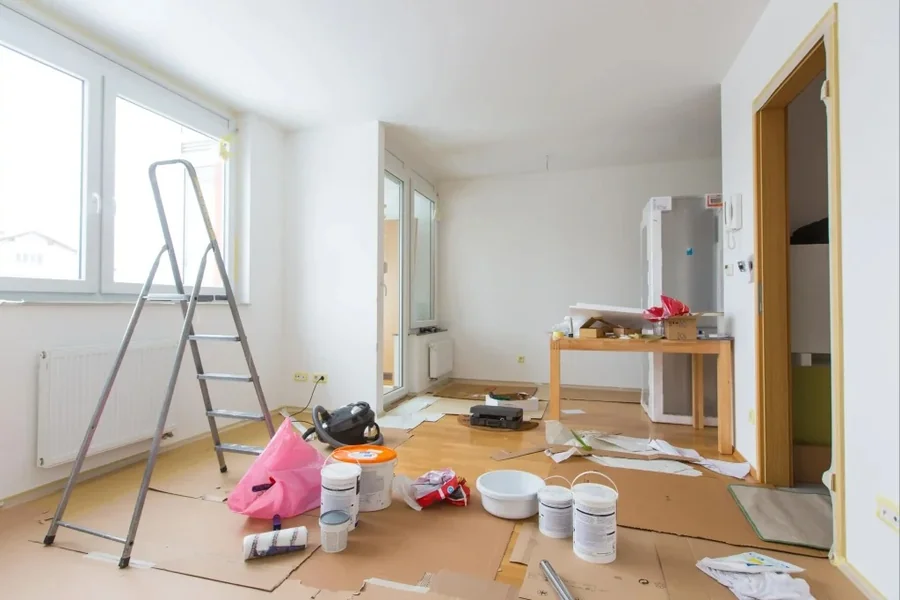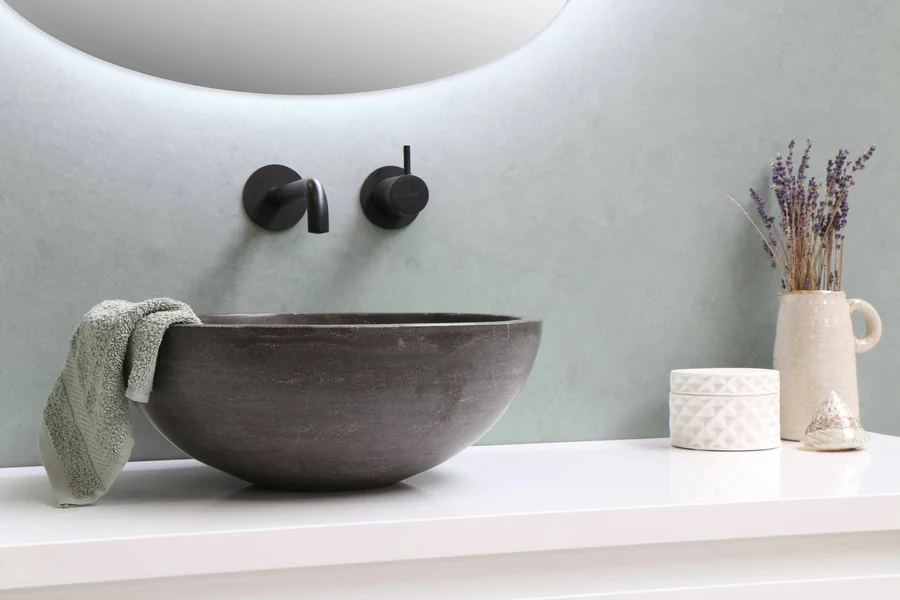
Bathrooms are among the most frequently used rooms in any home, yet they are often filled with materials, finishes, and products that compromise indoor air quality and long-term health. From synthetic sealants and chemical-laden paints to plastic fixtures and harsh cleaning agents, traditional bathroom design can introduce a surprising number of toxins into daily life.
It is a common misbelief that designing a low-toxicity bathroom is expensive or offers a very limited space for creative expression. On the contrary, many of the healthiest choices are also the most timeless, tactile, and visually appealing. This does, however, require some additional research and mindfulness on all stages, from planning to decoration.
Why Low-Toxicity Design Matters in Bathrooms
Bathrooms present a unique challenge when it comes to indoor air quality. High humidity, frequent temperature changes, and constant exposure to water can accelerate off-gassing from synthetic materials, increasing the concentration of volatile organic compounds in the air. These compounds can contribute to respiratory irritation, headaches, fatigue, and long-term health concerns.
Because bathrooms are often smaller, enclosed spaces, airborne toxins can become more concentrated. Children, elderly family members, and individuals with allergies or respiratory sensitivities are particularly vulnerable. Designing with low-toxicity principles helps create an environment that supports daily health, promotes relaxation, and minimizes long-term risks.
At the same time, due to a conscious choice of materials and finishes, low-toxicity bathrooms often feel more serene. Natural materials, breathable finishes, and thoughtful ventilation create a sensory experience that feels clean and restorative rather than clinical or artificial.
Choosing Healthier Building Materials
One of the most impactful steps in creating a low-toxicity bathroom is selecting materials that minimize chemical emissions. Natural stone, solid wood, glass, and ceramic are among the healthiest options, as they contain few synthetic additives and emit little to no harmful compounds.
Ceramic and porcelain surfaces remain reliable choices for walls and floors, offering durability, water resistance, and easy maintenance. Thoughtfully chosen mosaic tiles introduce texture and visual interest while being safe and long-lasting. Their dense composition prevents off-gassing, making them suitable even for high-humidity environments.
Natural stone also plays a key role in low-toxicity design. Materials such as limestone, slate, travertine, and natural marble mosaics provide visual depth while remaining chemically inert.
When selecting stone, attention should be paid to sealants and installation adhesives. Low-VOC or zero-VOC products ensure that the natural beauty of stone is not compromised by harmful chemicals.

Paints and Finishes That Support Healthy Air
Paint is one of the most overlooked contributors to indoor air pollution. Conventional paints often contain solvents and additives that continue to release toxins long after application. In bathrooms, where ventilation is usually limited, these emissions can become more concentrated.
Low-VOC and zero-VOC paints offer a safer alternative without sacrificing color quality or durability. Modern formulations provide excellent coverage, moisture resistance, and longevity, making them well-suited for bathroom environments.
Beyond paint, attention should be paid to sealants, caulks, and adhesives. Many standard products release chemicals that affect air quality. Choosing water-based, low-emission alternatives helps maintain a healthier atmosphere while ensuring proper moisture control and longevity.
Safe and Stylish Flooring Choices
Bathroom floors must balance durability, slip resistance, and health considerations. Natural stone and ceramic surfaces excel in all three areas when properly selected and installed.
Textured stone finishes provide traction without relying on chemical treatments. Honed or matte tiles reduce slipperiness while preserving a refined appearance. In homes with children or elderly residents, these finishes offer an important safety advantage.
Underfloor heating, when paired with natural materials, enhances comfort without introducing harmful emissions. Radiant heating systems distribute warmth evenly, reducing reliance on forced air systems that can circulate dust and allergens.
Area rugs made from natural fibers, such as organic cotton or untreated wool, add softness underfoot while remaining breathable and low in toxins. These textiles can be easily washed, supporting hygiene without chemical cleaners.
Thoughtful Choices for Cabinetry and Storage
Bathroom cabinetry often contains composite woods, adhesives, and synthetic finishes that emit harmful compounds. Choosing solid wood, formaldehyde-free plywood, or responsibly sourced engineered materials significantly reduces indoor toxins.
Finishes also matter. Water-based stains, natural oils, and waxes provide beautiful protection while preserving healthy air quality. These finishes allow wood to breathe, helping regulate humidity and extending the life of cabinetry.
Open shelving made from natural materials offers an alternative to fully enclosed cabinets, promoting airflow and reducing moisture buildup. When combined with baskets and containers crafted from ceramic, glass, or untreated wood, storage becomes both functional and visually cohesive.
Fixtures, Fittings, and Water Quality
The materials used in faucets, showerheads, and plumbing components directly impact water quality. Brass, stainless steel, and ceramic fixtures offer durability while minimizing the release of harmful substances.
Some low-quality metals and plastic components can leach chemicals into water, particularly when exposed to heat. Selecting fixtures from reputable manufacturers who prioritize safety testing ensures that water remains clean and safe for bathing and daily use.
Filtration systems provide an additional layer of protection, especially in areas with hard water or known contaminants. Shower filters reduce exposure to chlorine and heavy metals, improving skin and hair health.
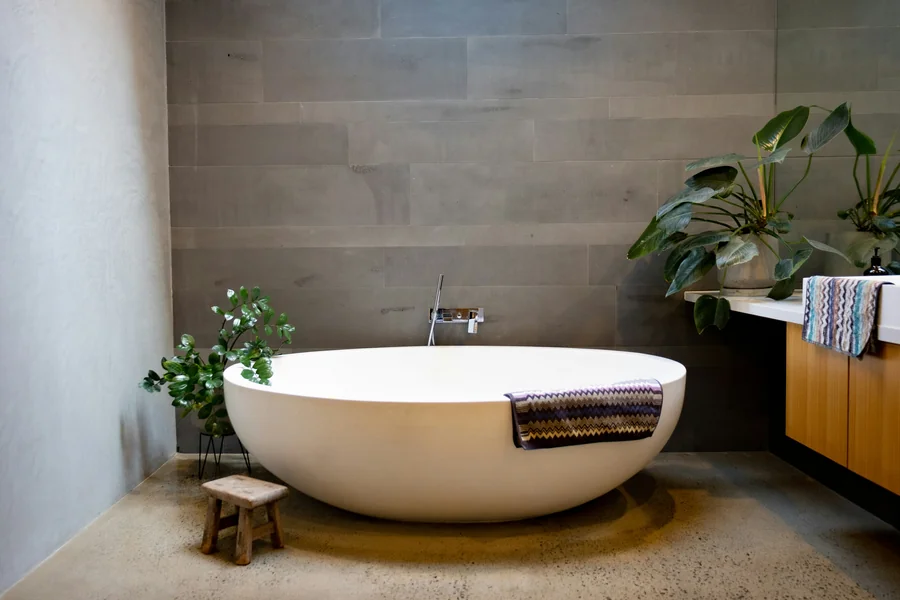
Ventilation and Moisture Control
Proper ventilation is essential in any bathroom, but it becomes even more important in low-toxicity design. Excess moisture can encourage mold growth, which poses serious health risks and degrades building materials.
High-quality exhaust fans, ideally equipped with humidity sensors, help regulate moisture levels and maintain air quality. Operable windows provide natural ventilation, allowing fresh air to circulate and flush out lingering pollutants.
Dehumidifiers may be beneficial in particularly damp climates or older homes with limited airflow. By maintaining balanced humidity, they protect both health and finishes, ensuring the longevity of materials.
Lighting and Indoor Air Quality
Lighting influences not only mood but also environmental health. Traditional incandescent and halogen bulbs generate heat, contributing to higher humidity levels in bathrooms. Energy-efficient LED lighting produces less heat, reducing strain on ventilation systems while lowering energy consumption. Homeowners looking to complement these savings can explore who has the cheapest electricity rates in texas to ensure their energy-efficient upgrades also translate into lower utility bills.
Lighting fixtures should also be selected with care. Avoiding plastic-heavy designs and opting for glass, metal, or ceramic materials minimizes potential chemical emissions. Thoughtfully placed lighting enhances visibility and atmosphere, supporting both function and relaxation.
Cleaning Products and Daily Maintenance
Even the healthiest bathroom design can be undermined by harsh cleaning products. Conventional bathroom cleaners often contain ammonia, chlorine, and synthetic fragrances that irritate respiratory systems and pollute indoor air.
Natural cleaning solutions based on vinegar, baking soda, plant-derived surfactants, and essential oils effectively maintain hygiene without introducing toxins. These products are gentler on surfaces, prolonging the life of stone, tile, and fixtures.
Regular maintenance using mild, non-abrasive cleaners preserves finishes while supporting a healthier living environment. Simple routines help prevent mold and mineral buildup, reducing the need for aggressive chemical treatments.
Designing for Families and Multi-Generational Homes
In homes shared by children, seniors, and individuals with health sensitivities, low-toxicity bathrooms are particularly valuable. Safe materials, slip-resistant floors, and easy-to-clean surfaces support comfort and independence for all users.
Adjustable showerheads, grab bars integrated into design, and well-placed lighting ensure safety without compromising style. When thoughtful design meets healthy materials, bathrooms become inclusive spaces that adapt to changing needs over time.
Balancing Budget and Health
Designing a low-toxicity bathroom does not necessarily require a luxury budget. Strategic investments in key areas deliver meaningful benefits without excessive cost.
Prioritizing safe paints, sealants, and adhesives yields immediate improvements in air quality. Choosing natural materials for high-contact surfaces, such as floors and countertops, ensures durability and long-term health benefits.
Incorporating reclaimed or salvaged materials can further reduce environmental impact while adding character. Vintage mirrors, antique vanities, and repurposed wood elements bring unique charm and sustainability together.
The Long-Term Value of Healthy Design
Low-toxicity bathrooms represent an investment in both health and home value. As awareness of indoor air quality grows, buyers increasingly seek properties that prioritize wellness and sustainability. Thoughtful material choices and responsible construction practices contribute to homes that age gracefully and maintain appeal.
Beyond resale considerations, the true value lies in daily experience. Bathrooms designed with health in mind foster comfort, relaxation, and peace of mind, transforming ordinary routines into moments of care and restoration.