
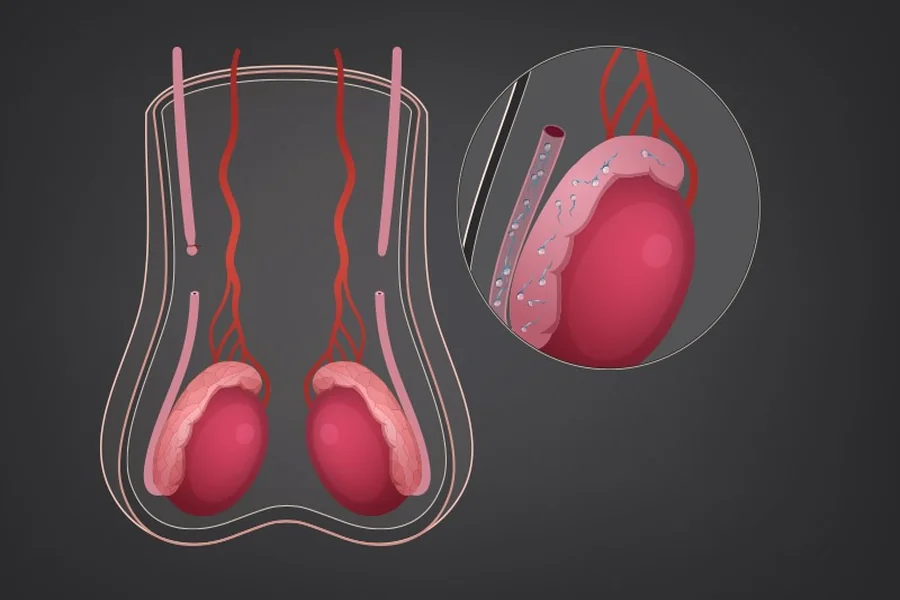
Vasectomy procedures have come a long way since their inception. Once considered a complex surgical operation requiring lengthy recovery, modern vasectomies are safer, faster, and less invasive. These advances have made the procedure more accessible and comfortable for men considering permanent contraception.
Over the decades, innovations in technique, anesthesia, and patient care have reshaped the vasectomy experience. From traditional surgical methods to the latest minimally invasive options, understanding these changes helps patients make informed decisions about their reproductive health.
Evolution of Vasectomy Techniques
Early vasectomy procedures involved larger incisions, sutures, and general anesthesia. Surgeons needed significant time to access the vas deferens, tie or remove sections of the tubes, and stitch the incision closed. Recovery could be uncomfortable, with a higher risk of swelling, infection, and bruising.
Today, advancements have introduced Minimally invasive vasectomy techniques, including the no-scalpel method. Instead of making large cuts, this approach uses a small puncture to access the vas deferens. Special instruments allow the surgeon to isolate and block the tubes with minimal tissue damage. The result is less pain, reduced bleeding, and a quicker recovery.
Minimally invasive techniques have not only improved patient comfort but also reduced complication rates, making vasectomy a more appealing option for men seeking long-term contraception.
Improvements in Anesthesia and Pain Management
In the past, vasectomies often required general anesthesia or deep sedation, adding complexity and potential risks to the procedure. Recovery from anesthesia could be uncomfortable, and some patients experienced lingering side effects.
Modern vasectomies typically use local anesthesia. Numbing the surgical area allows patients to remain awake while feeling little to no pain during the procedure. Some clinics offer optional mild sedation for additional comfort, but the need for full anesthesia has largely been eliminated.
Post-procedure pain management has also improved. Over-the-counter pain relievers are usually sufficient, and patients experience minimal discomfort. This advancement has contributed to the procedure being performed safely in outpatient settings, allowing men to return home the same day.
Shorter Recovery Times and Faster Return to Normal Life
Historically, vasectomy recovery involved extended downtime. Patients were often advised to rest for several days and avoid physical activity for weeks. Bruising, swelling, and soreness could be significant.
With modern techniques, recovery times have decreased dramatically. Many men resume light activity within 24 to 48 hours and normal exercise within a week. The no-scalpel approach, in particular, reduces tissue trauma, resulting in less postoperative pain and faster healing.
Shorter recovery times improve patient satisfaction and make it easier to plan the procedure without major disruptions to work or daily routines. This convenience has contributed to increased acceptance and popularity of vasectomy as a reliable contraceptive method.
Enhanced Safety and Lower Complication Rates
Traditional vasectomies carried higher risks of complications such as infection, hematoma, and prolonged bleeding. Although still generally safe, older methods were more invasive and relied on larger incisions and sutures.
Minimally invasive techniques have dramatically lowered complication rates. The small puncture used in no-scalpel vasectomies reduces the risk of infection and bleeding. Additionally, refined surgical instruments and improved sterile procedures have made the process safer overall.
Enhanced safety measures have also improved the patient experience psychologically. Knowing that the procedure carries minimal risk can reduce anxiety and make men more comfortable with the decision.
Advances in Patient Education and Counseling
Another key change in vasectomy procedures is the emphasis on patient education. In the past, men often received limited information about the process, potential risks, and recovery expectations. This lack of guidance sometimes led to unnecessary worry or dissatisfaction.
Today, clinics provide comprehensive counseling before the procedure. Patients learn about the procedure itself, post-operative care, and the importance of follow-up semen analysis to confirm sterility. Open communication allows men to make informed choices and sets realistic expectations for recovery and results.
Access to accurate information has helped remove stigma around vasectomy and encouraged more men to consider it as a responsible family planning option.
Technological Innovations Supporting the Procedure
Technology has played a major role in modernizing vasectomy procedures. Advanced surgical instruments, better lighting, magnification, and precise cutting tools have improved accuracy and efficiency. These tools allow surgeons to minimize trauma while achieving reliable results.
Some clinics also utilize high-resolution imaging and improved diagnostic tools to ensure the vas deferens are correctly located and treated. This reduces the chance of procedural errors and enhances overall outcomes.
As technology continues to evolve, vasectomy procedures are likely to become even less invasive and more comfortable, further improving the patient experience.
Social and Cultural Shifts
Over the years, societal attitudes toward male contraception have evolved. Vasectomy is no longer viewed as taboo or solely for older men who have completed their families. Younger men are increasingly considering it as a responsible and reliable form of contraception.
This cultural shift has influenced the way clinics approach vasectomy care. Providers focus on privacy, discretion, and patient comfort, catering to a broader demographic than in previous decades.
Education campaigns and increased awareness of family planning options have also contributed to changing perceptions, making vasectomy more accepted and widely discussed.
Final Thought
Vasectomy procedures have undergone significant transformation over the years. From large incisions and extended recovery times to minimally invasive techniques with rapid healing, the procedure has become safer, faster, and more comfortable.
Advancements in anesthesia, surgical tools, and patient education have further enhanced the experience, reducing complications and improving outcomes. Social and cultural changes have also made vasectomy a more normalized option for men seeking long-term contraception.
Modern innovations such as the no-scalpel method demonstrate that reproductive healthcare continues to evolve with patient comfort and convenience in mind. Today’s vasectomy is not only a medically reliable choice but also a procedure that respects the patient’s time, comfort, and well-being.
