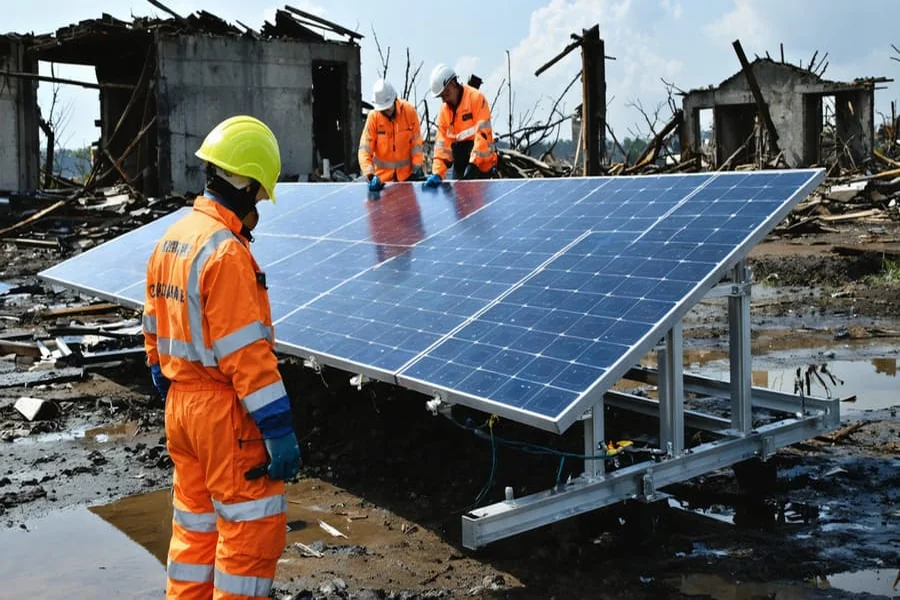
Puerto Rico lost power twice in five years. Hurricane Maria in 2017. Hurricane Fiona in 2022. Both times, the entire island went dark. Both times, restoration dragged on for weeks — months in the hardest-hit areas. The communities that stayed lit had one thing in common — they’d stopped depending on the main grid before the storm arrived.
Two storms, same result, five years apart. At some point that stops being bad luck.
The Grid Was Never Built for This
Centralised power grids made sense when generation was centralised. Large plant, long transmission line, predictable demand. That model worked for decades under normal operating conditions. Under stress — real stress, not a blown fuse — it falls apart fast.
Here’s why. A single substation flood doesn’t just affect the substation. It cascades. Hospitals lose power. Water treatment shuts down. A repair crew can’t restore service until they can physically reach damaged equipment, source replacement parts, and work through a sequential restoration process that has no shortcuts. None of that changes if the weather is still bad. None of it speeds up if the damaged area is large.
NOAA’s National Centers for Environmental Information counted 28 separate billion-dollar weather disasters in the US in 2023. Highest on record. The grid absorbing those hits was largely designed and built before 1980.
What a Standalone PV System Actually Does Differently
No transmission line. No substation. No utility frequency reference the inverter needs to stay synchronised with. Strip it down: panels on the roof, an MPPT controller, a lithium battery bank, a hybrid inverter. Power generated and stored on-site. The grid going down somewhere else is not this system’s problem.
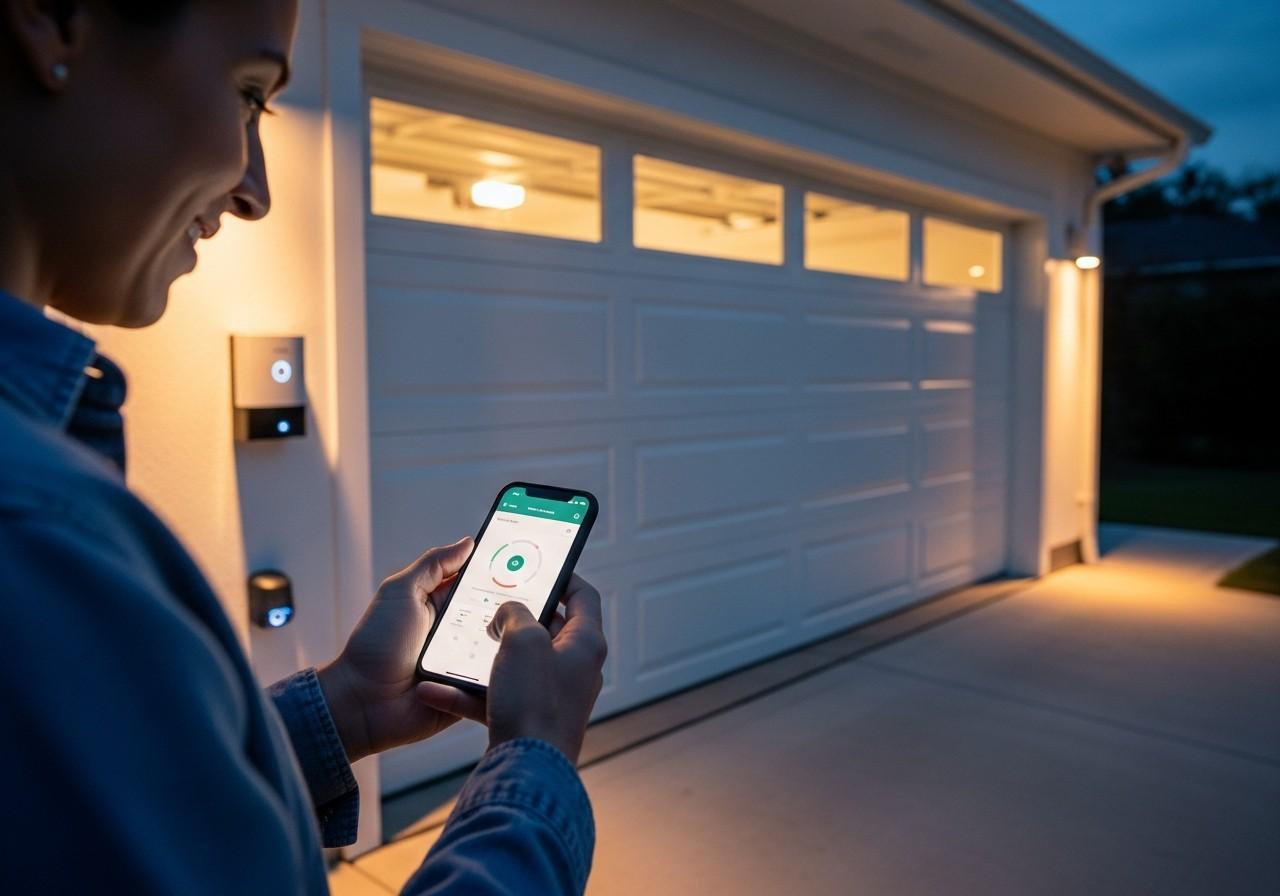
Most people assume rooftop solar keeps the lights on during a blackout. It doesn’t — not if it’s grid-tied. Regulatory requirement — prevents back-feeding live current onto lines that utility workers think are dead. So the building with solar panels on the roof goes dark anyway. The standalone system doesn’t have that problem because it was never grid-dependent to begin with.
Lithium iron phosphate cells now last well past 3,000 full charge cycles at 80% depth of discharge — that’s eight to ten years of daily cycling in real deployments. MPPT controllers extract usable generation under partial cloud cover or shading conditions that would have crippled older setups. A properly sized system can run a rural clinic, a communications node, or a community water pump through two weeks of grid outage without a generator in sight.
This Isn’t Theoretical
More than 420 million people gained electricity access between 2010 and 2020. Most of it came from off-grid and standalone solar deployments, not grid extension, according to the IEA World Energy Outlook 2022. That’s a scale of deployment that has produced real performance data across climates, load profiles, and maintenance environments that grid-tied systems simply don’t have.
After Tōhoku in 2011, the areas that kept power running were the ones with local solar and storage. Japan paid attention. Policy there now treats distributed solar as emergency infrastructure — not a clean energy bonus, an operational requirement.
Lakshadweep runs on it. So do parts of Uttarakhand where grid extension was never viable. Nobody deployed standalone solar there for environmental optics.
The Case for Standalone in Any High-Risk Location
A standalone pv system isn’t a compromise for places that can’t access the grid. It’s a deliberate architecture choice for places that can’t afford to lose power when the grid fails. Those two things used to describe the same communities. Increasingly, they describe everywhere.
Ask any grid operator what fails first in a wildfire — it’s the transmission lines, every time. Storm surge takes out coastal substations before the wind does the real damage. Island territories where grid restoration logistics are a nightmare even in ideal conditions. The geography of grid vulnerability is expanding. The standalone PV argument expands with it.
Cost is the usual objection. Battery banks add upfront expense that grid-tied systems avoid. That’s true. But run the comparison against the actual cost of a grid failure — a week of hospital generator fuel, a spoiled vaccine cold chain, productivity losses across a region — and the economics look different. The system that keeps running during a disaster isn’t an insurance policy. It’s the cheaper option over a long enough time horizon.
Building for the Grid That Exists, Not the One We Wish We Had
The technology is ready. The case is clear. What lags is the procurement decision — made before a disaster, not after one. Clinics, shelters, water pumps, comms towers: all of these should be designed standalone-first. Most aren’t.
The towns that recovered in days rather than weeks had made that infrastructure call years before the storm hit. The ones still waiting for utility trucks aren’t short on solar resources. They’re short on the right infrastructure decision. A standalone PV system doesn’t fix the weather. It just means the weather doesn’t turn the lights off.