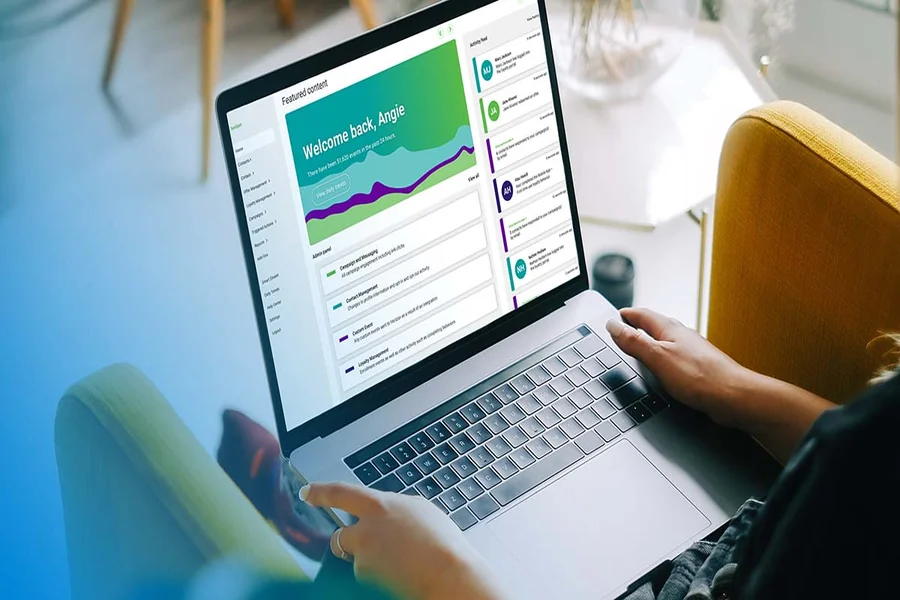

Managing payroll efficiently is essential for businesses that want to maintain a competitive edge in today’s digital environment. Traditional payroll processes are often slow and prone to error, especially when relying on paper-
based on methods or on-premise software. As organizations seek smarter ways to address common payroll challenges, many are adopting a cloud-based payroll solution to streamline operations and improve business performance. This transition offers a wide range of benefits, from improved accessibility to cost savings and increased compliance.
Cloud technology allows payroll data to be accessed from anywhere, supporting flexible work arrangements and keeping teams connected, no matter where they are. As remote and hybrid workforces become more common, accessing payroll and HR records online is now a necessity. With automated updates and powerful security features, cloud payroll platforms remove inefficiencies and reduce the risk of common payroll errors, empowering both HR professionals and employees.
Enhanced Accessibility and Flexibility
One of the most valuable advantages of cloud payroll is its accessibility. Businesses can access real-time payroll information from any device with an internet connection, making it easier to manage payroll tasks on the go. This is ideal for teams that are distributed across multiple locations or working remotely. Cloud platforms simplify approvals, payroll processing, and reporting. Employees gain immediate access to their own pay stubs, tax forms, and benefits information, reducing paperwork and eliminating the need for in-person visits to HR.
Furthermore, cloud payroll platforms foster increased collaboration across different departments. By granting customizable user permissions and roles, organizations can ensure that managers, HR teams, and finance professionals each have access to the exact information they need. This not only streamlines payroll operations but also helps build a more agile workplace culture capable of adapting to new trends, such as hybrid workforce management and international payroll coordination. Mobile-friendly interfaces and intuitive dashboards make it simple to monitor and complete payroll activities, even from smartphones and tablets.
Cost-Effectiveness
Investing in a cloud payroll system can significantly cut costs for businesses of all sizes. Traditional payroll software often requires costly hardware, licenses, and regular maintenance to stay up to date. Cloud solutions, on the other hand, work on a subscription basis and require no on-site installation or physical servers. This subscription-based model simplifies budgeting, reduces IT overhead, and frees up resources to be redirected toward core business goals or growth initiatives.
Additionally, the financial predictability offered by cloud payroll subscriptions allows businesses to plan long-term investments with confidence. Because the provider handles software updates, patches, and regulatory changes, companies don’t need to allocate extra funds for sudden system upgrades or unexpected maintenance. Over time, these savings can accumulate, helping organizations become more financially agile and resilient to market changes. By lowering the barrier to entry, cloud payroll services enable smaller companies to access enterprise-grade technology without incurring significant debt or upfront infrastructure expenses.
Improved Data Security
Payroll data is among the most sensitive information businesses possess. Cloud payroll providers prioritize data protection and implement stringent security measures, such as encryption, continuous backups, automatic security updates, and multi-factor authentication. These features help businesses mitigate risks related to breaches or data loss, giving organizations peace of mind.
Modern cloud providers also conduct regular third-party security audits and obtain compliance certifications to demonstrate their commitment to data security. Incident response protocols and dedicated support teams are in place to promptly investigate and remediate suspicious activity. For organizations in regulated industries, these advanced protections not only meet but often exceed the minimum required by government standards, bolstering client confidence and safeguarding against reputational risk.
Seamless Integration with Other Systems
Modern payroll operations rarely exist in isolation. Organizations now expect payroll software to integrate seamlessly with accounting, HR management, and time-tracking platforms. A cloud payroll solution can easily connect with these systems, enabling automatic data transfers, fewer manual entries, and a more holistic approach to workforce management. This type of integration reduces errors, saves time, and enables businesses to streamline their workflows across multiple departments.
Because data flows smoothly between interconnected platforms, business leaders gain access to powerful analytics and reporting functionalities that draw insights from diverse sources. Real-time dashboards can display payroll metrics, track attendance trends, and make compliance audits much more efficient through consolidated data access. These integrations ultimately help organizations make faster, better-informed decisions while freeing up staff to focus on value-added initiatives rather than redundant paperwork.
Scalability to Support Business Growth
As companies expand, their payroll management needs can quickly become more complex. Cloud-based payroll solutions offer built-in scalability, making it easy to add new employees, open new business locations, and adapt to evolving organizational structures. Changing tax laws, international payroll, and onboarding for new teams are also easier to manage. With flexible plans and features, businesses can scale their payroll operations up or down as needed without investing in new infrastructure or retraining staff.
This adaptability is invaluable for startups experiencing rapid growth, seasonal businesses, and organizations navigating mergers or acquisitions. Instead of outgrowing existing systems or losing time to manual workarounds, cloud payroll lets businesses adjust permissions, expand usage, and access cutting-edge features designed for dynamic environments. This freedom supports sustainable growth and allows leaders to focus on driving innovation rather than being bogged down by administrative constraints.
Enhanced Employee Experience
Cloud-based payroll systems empower employees through easy access to self-service portals. Workers can update personal information, retrieve pay slips, manage benefit choices, and submit time-off requests online. This autonomy not only boosts employee satisfaction but also reduces the administrative burden placed on HR teams. Focus can then shift from repetitive tasks to strategic priorities like professional development, engagement, and growth.
Employee self-service empowers individuals with transparency into their compensation and benefits, building trust and fostering a culture of accountability. By eliminating the need to send frequent requests to HR for everyday questions, staff enjoy faster resolutions while HR professionals can focus on more meaningful engagement with the workforce. Over time, this shift results in reduced response times, lower administrative costs, and a more motivated, productive team.
Compliance and Accuracy
Meeting complex and evolving compliance requirements is a major challenge for businesses. Cloud payroll solutions are regularly updated to comply with the most recent tax laws, industry regulations, and labor standards. Automated calculations and filing capabilities reduce the risk of costly mistakes and missed deadlines. This helps protect organizations from penalties and enhances their reputation for reliability and trustworthiness. The IRS also offers guidance on staying compliant with federal payroll taxes, which is easier to manage with up-to-date digital tools. Find additional compliance tips at the IRS Small Business site.
Furthermore, modern cloud payroll systems help companies stay ahead of multifaceted compliance obligations as they expand into new markets or face localized tax requirements. Automated audit trails and version histories make it easier for businesses to demonstrate due diligence during government reviews or financial audits. Workflow-driven reminders and built-in legislative updates further reduce the risk of non-compliance, helping organizations maintain a stellar business reputation and protect their workforce.
Conclusion
Transitioning to a cloud-based payroll system offers businesses increased accessibility, enhanced data security, cost savings, improved operational efficiency, scalability, and better employee engagement. A cloud payroll solution streamlines administrative tasks, ensures regulatory compliance, and enables companies to focus on their core initiatives. This shift not only updates technology but also transforms organizations by optimizing workflows and boosting employee satisfaction. As the workforce and technology continue to evolve, businesses that adopt flexible and secure payroll platforms will be better positioned to adapt and succeed in the digital economy, making a strong case for investing in cloud payroll solutions.