
Key Elements of Outdoor Recreation and Retreats
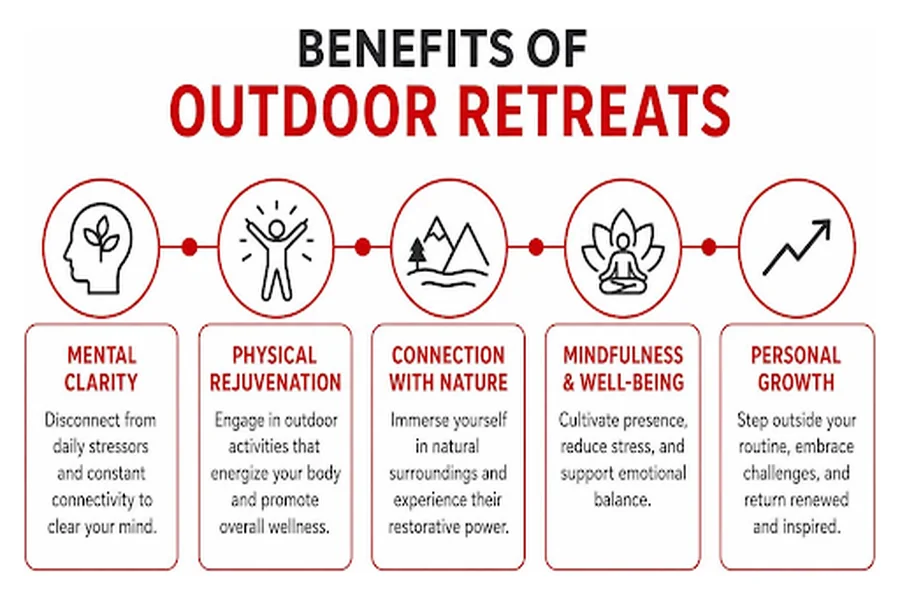
In our increasingly digital world, the call of the wild offers a powerful antidote to the pace of modern life. Outdoor Recreation and Retreats provide a vital pathway to mental clarity, physical rejuvenation, and a deeper connection with the natural world. These experiences are more than just vacations; they are intentional journeys designed to restore balance and well-being, offering a much-needed escape from constant connectivity and daily stressors. We recognize the growing desire for authentic experiences that blend adventure with tranquility, fostering personal growth and renewal.
From tranquil glamping sites to adventurous river excursions, and from mindful yoga practices to invigorating hikes, the options are vast and varied. Whether you seek the serenity of a meditation session, the thrill of white-water rafting, or the focused challenge of a scenic public golf course, outdoor retreats offer a spectrum of engagement for every preference. This extensive guide will explore the diverse types of outdoor accommodations and activities available, delve into the profound benefits for mental and physical health, and provide practical advice on how to select the perfect retreat tailored to individual needs and preferences. We’ll also touch upon the evolving industry itself, highlighting opportunities and the commitment to safety and sustainability that defines leading providers.
Embarking on an outdoor recreation or retreat experience requires thoughtful consideration of several key elements to ensure a fulfilling journey. From the optimal seasonal timing to meticulous site selection, and from understanding all-inclusive programming to managing equipment logistics, each detail contributes to the overall quality of the experience. Many retreat providers, such as Outdoor Adventure Retreats, strategically combine diverse offerings like RV resorts, marinas, and glamping to create hybrid outdoor experiences that cater to a wide range of preferences. We find that planning around seasonal conditions, for instance, can significantly enhance activities like river tubing, where lower, clearer water in mid-August often provides a gentler, more enjoyable current for shuttle-and-float outings.
Diverse Lodging Options in Outdoor Recreation and Retreats
The world of outdoor retreats offers an impressive array of accommodation styles, designed to suit every comfort level and preference. Whether you’re seeking rugged simplicity or luxurious amenities, there’s a perfect spot waiting.
- Primitive Campsites: For the true wilderness enthusiast, primitive campsites offer a back-to-basics experience, often lacking running water, electricity, or dedicated restroom facilities. These sites encourage a deep immersion in nature, ideal for those seeking a complete digital detox.
- RV Hookups: Many outdoor centers, like Cedar Creek RV & Outdoor Center, provide full-service RV sites with 20-Amp to 50-Amp hookups, accommodating vehicles up to 80 ft. These offer the comfort of home on wheels, often with access to shared amenities like clubhouses and pools.
- Glamping Tents: A rapidly growing trend, glamping (glamorous camping) combines the adventure of camping with the comforts of a hotel. Expect features like real beds, stylish furnishings, and sometimes even private bathrooms or kitchenettes. Glamping has seen over 20% year-over-year growth in the US outdoor hospitality market, a testament to its popularity.
- Rustic Cabins & Cottages: These structures provide a more permanent shelter, often with heating, basic cooking facilities, and private spaces. They range from simple, cozy abodes to more elaborate vacation homes, offering a blend of nature access and modern conveniences. The Seclusion Retreat Campus, for example, offers cabins with full kitchens and private bathrooms.
- Tiny Homes: A modern take on compact living, tiny homes provide a unique and often eco-friendly lodging option, blending minimalist design with functional comfort in a natural setting.
Understanding the nuances of each option is crucial for selecting the ideal retreat.
Accommodation Style Comfort Level Typical Amenities Ideal For Primitive Campsites Basic Fire pit, tent pad Deep nature immersion, budget-conscious RV Hookups High Electric, water, sewer, often Wi-Fi, communal facilities Travelers with RVs, desire for home comforts Glamping Tents Medium-High Real beds, linens, sometimes private bath, Wi-Fi Comfort-seekers, couples, those new to camping Rustic Cabins High Beds, kitchenettes, private bath, heating Families, longer stays, desire for privacy Tiny Homes Medium-High Compact living, kitchen, bath, unique design Eco-conscious, minimalist travelers, unique experience Core Adventure and Land Activities
Outdoor retreats are synonymous with engaging activities that connect us to the land. We often find that a balanced itinerary includes both invigorating adventures and opportunities for quiet contemplation.
- Hiking Trails: From gentle nature walks to challenging mountain treks, hiking is a cornerstone of many outdoor retreats. Locations like Akera retreat center in the Catskills, with its 123 acres, offer extensive trails for guests to explore. Big Bear Retreat Center also boasts 1,400 acres of protected land, perfect for exploring ancient Juniper woodlands.
- Wildlife Viewing & Nature Photography: The serene environments of outdoor retreats provide unparalleled opportunities to observe local fauna and capture the beauty of the natural world. Early morning starts often yield cooler temperatures and better chances for wildlife sightings.
- Mountain Biking: For those seeking a higher-octane activity, mountain biking trails offer thrilling descents and scenic routes. Centers like Cedar Creek RV & Outdoor Center are often located near popular trails, allowing for exciting bike-and-paddle combinations.
- Golf: Many outdoor recreation centers integrate other popular activities into their offerings. For example, some retreats might be situated near a scenic public golf course, allowing guests to enjoy a round amidst beautiful natural surroundings. This blend of activities caters to a broader audience, ensuring there’s something for everyone.
These land-based activities not only provide physical exercise but also foster a deeper appreciation for the environment.
Water Excursions and Mindfulness Practices
Beyond the land, water-based activities and mindfulness practices offer unique avenues for recreation and renewal.
- River Tubing: A popular choice for a leisurely float, river tubing allows guests to relax and take in the scenery. Wilderness Cove in Saluda, NC, voted the #1 Best River Tubing Company in the United States, exemplifies the appeal of this activity. Their Green River tubing season, for instance, offers a 4.5-mile float, with the season ending on Sunday, September 13, 2026.
- Lake Kayaking & Stand-Up Paddleboarding: These activities provide a peaceful way to explore calm waters, offering both exercise and tranquility. Many retreats located on lakes or with marina access provide rentals or guided excursions.
- Cold Plunges: Increasingly popular in wellness retreats, cold plunges are believed to boost circulation, reduce inflammation, and enhance mental resilience. Retreats like Akera often feature signature rituals including panoramic saunas, cedar hot tubs, and cold plunges.
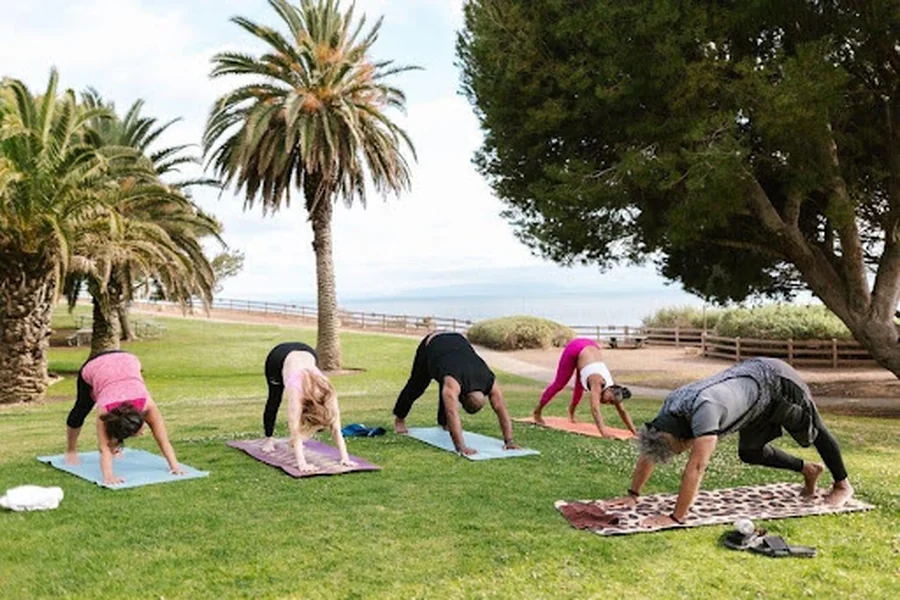
- Yoga Sessions: Integrating physical postures, breathing exercises, and meditation, yoga is a staple in many outdoor retreats. Practicing yoga amidst nature amplifies its calming and grounding effects.
- Sound Baths: These immersive experiences use sound vibrations from instruments like gongs and singing bowls to promote deep relaxation and meditative states.
- Forest Bathing (Shinrin-Yoku): Originating in Japan, forest bathing involves mindfully immersing oneself in the atmosphere of the forest, engaging all senses. This practice is known to reduce stress hormones and improve mood.
These water-centric and mindful practices collectively contribute to a holistic retreat experience, balancing adventure with inner peace.
Mental, Physical, and Social Benefits of Nature Immersion
The profound impact of outdoor recreation and retreats on our well-being cannot be overstated. We consistently observe that stepping away from daily routines and immersing ourselves in natural environments leads to significant improvements across mental, physical, and social dimensions.
- Stress Reduction: Nature’s calming influence helps lower cortisol levels, reducing stress and anxiety. The simple act of being surrounded by trees and fresh air can have an immediate calming effect.
- Physical Restoration: Engaging in outdoor activities, even gentle ones, improves cardiovascular health, strengthens muscles, and enhances overall fitness. Moreover, exposure to natural light helps regulate our circadian rhythm, leading to better sleep patterns and increased energy.
- Community Bonding: Shared outdoor experiences foster camaraderie and connection. Whether it’s around a campfire or during a group hike, these moments build strong social ties and create lasting memories.
- Enhanced Mood and Cognitive Function: Studies suggest that spending time in nature can boost mood, improve focus, and even enhance creativity. The “soft fascination” of natural environments allows our minds to rest and recharge.
Digital Detox and Nervous System Renewal
One of the most compelling aspects of outdoor retreats is the opportunity for a genuine digital detox. In a world saturated with screens and constant notifications, disconnecting from technology is often the most challenging yet rewarding part of the experience.
- Screen-Free Policies: Many retreats actively encourage or enforce screen-free policies, creating an environment where participants can truly be present. This deliberate disconnection allows the nervous system to calm down and reset.
- Mindfulness: Without digital distractions, individuals are better able to engage in mindfulness practices, such as meditation and journaling. These activities cultivate self-awareness and emotional regulation.
- Trauma-Informed Spaces: Some retreats, like Green Rock Retreat in Oregon, are specifically designed to be trauma-responsive and nervous-system-informed, offering a safe and supportive environment for healing and renewal.
- Journaling: Providing dedicated time for reflection and journaling allows participants to process thoughts, set intentions, and track their personal growth throughout the retreat.
This intentional break from the digital world allows for a deeper connection with oneself and the natural surroundings, fostering profound nervous system renewal.
Catering to Solo Travelers and Group Dynamics
Outdoor retreats are remarkably versatile, designed to accommodate a diverse range of participants, from individuals seeking solitude to large groups on a shared journey.
- Solo Travelers: We understand that many seek personal growth and introspection, making solo travel to a retreat an increasingly popular choice. Statistics show that 93% of solo retreat guests have airport pickup included, 94% made new friends, and an impressive 89% would go again. Retreats often offer shared lodging options or specific programs tailored to solo adventurers, providing a supportive environment to connect with like-minded individuals while maintaining personal space.
- Team-Building Initiatives: For corporate groups or organizations, retreats offer excellent opportunities for team building. Activities like white-water rafting, group hikes, or collaborative challenges foster communication, trust, and leadership skills in a refreshing outdoor setting.
- Corporate Off-Sites: Many venues provide dedicated facilities for corporate retreats, combining professional development with wellness activities.
- Family Gatherings: Some outdoor centers are ideal for multi-generational family vacations, offering activities and accommodations that appeal to all ages, from playgrounds for children to fishing spots for adults.
- Varied Fitness Levels: Retreats are generally inclusive, offering activities with varying degrees of intensity. Staff often provide instruction and support for all activity levels, ensuring that everyone, from beginners to experienced adventurers, can participate comfortably and safely.
The ability of outdoor retreats to adapt to different group sizes and individual needs is a key factor in their growing appeal.
How to Choose the Right Retreat for Your Needs and Budget
Selecting the ideal outdoor retreat involves careful consideration of several factors to ensure the experience aligns with your personal goals and preferences. We recommend a systematic approach to planning your journey.
- Travel Logistics: Consider the location and how you’ll get there. Is it easily accessible by car, or will you need to arrange flights and shuttle services? For example, Akera retreat center is approximately 2 hours from NYC, while Big Bear Retreat Center is 2 hours from Los Angeles. Some retreats, like The Seclusion Retreat Campus, emphasize their remote location, advising guests to print directions as GPS may be unreliable.
- Budget Tiers: Retreats come in a wide range, from basic tent camping to luxurious glamping and full-service cabins. While we cannot list specific prices, understand that costs vary significantly based on accommodation type, duration, included activities, and amenities.
- Dietary Planning: If you have special dietary requirements, it’s crucial to inquire about meal options. Many retreats offer vegetarian meals, plant-based options, and can accommodate common allergens, but some may require guests to bring supplementary food for very specific needs.
- Seasonal Weather: The time of year significantly impacts the activities available and the overall experience. Planning a lake trip after July 4th, for instance, often means fewer crowds and better site selection. Conversely, understanding the end of a tubing season, like Green River’s on September 13, 2026, is vital for specific activities.
By carefully evaluating these aspects, you can narrow down your choices and find a retreat that truly resonates.
Evaluating Facilitators and Outdoor Recreation and Retreats Programs
The quality of a retreat often hinges on the expertise of its facilitators and the structure of its programs. We encourage prospective attendees to look for certain indicators of excellence.
- Instructor Certifications: For specialized activities like yoga, paddling, or wilderness survival, inquire about the instructors’ certifications and experience. For example, the Women’s Paddling Retreat at Great Camp Sagamore features an ACA-certified instructor.
- Guest-to-Guide Ratio: A lower guest-to-guide ratio often ensures more personalized attention and a safer experience, especially for activities requiring close supervision.
- Group Itineraries: Review the daily schedule to understand the balance between structured activities and free time. Some retreats, like the RecWell Adventure Retreat, blend physical adventure with mindfulness practices such as meditation and journaling, often including a digital detox.
- Program Focus: Consider the retreat’s core focus. Are you seeking deep healing, skill development, or simply relaxation? Many centers offer immersive nature-based retreat experiences that combine wellness activities with environmental education, catering to those who want to learn and grow in a natural setting. This holistic approach can be incredibly enriching for personal development.
Thorough research into the program and its leaders will help you select an experience that meets your expectations for quality and impact.
Logistics, Accessibility, and Environmental Sustainability
Responsible and well-managed outdoor retreats prioritize not only guest experience but also safety, inclusivity, and environmental stewardship.
- Shuttle Services: For activities like river tubing or point-to-point hikes, reliable shuttle services are essential. Booking these in advance, especially for groups, is a common practice.
- ADA Accessibility: While outdoor environments can present challenges, many modern retreat centers are making efforts to improve accessibility for guests with disabilities, offering tailored accommodations and supportive environments. It’s always best to inquire directly about specific needs.
- Solar Power & Off-the-Grid Living: A growing number of retreats, such as Nurture Through Nature in Maine, are embracing sustainable practices by operating on solar power and being off-the-grid. This commitment reduces their environmental footprint and offers guests a unique, eco-conscious experience.
- Leave No Trace Principles: Reputable outdoor recreation providers adhere to Leave No Trace principles, educating guests on how to minimize their impact on natural environments. This includes proper waste reduction, respecting wildlife, and leaving sites as they found them.
- Eco-Certifications: Look for retreats that hold environmental certifications, indicating a commitment to sustainable operations and conservation efforts.
- Waste Reduction: Many retreats implement comprehensive recycling and composting programs, encouraging guests to participate in their efforts to reduce waste.
By choosing retreats that champion these principles, we contribute to the preservation of these beautiful natural spaces for future generations.
Industry Growth, Careers, and Facilitator Opportunities
The outdoor recreation and retreats industry is experiencing significant growth, reflecting a broader societal shift towards wellness, nature connection, and experiential travel. This expansion creates a dynamic landscape of career and partnership opportunities.
- Ecotourism Growth: The demand for eco-friendly and sustainable travel experiences continues to rise, fueling the growth of retreat centers that prioritize environmental stewardship.
- Outdoor Hospitality: Companies like Outdoor Adventure Retreats are expanding rapidly, demonstrating the potential in this sector. Founded in 2021, this company has seen remarkable growth, employing 6 people with a yearly growth of +100.0% and a monthly growth of +20.0% as of September 2026. Their website receives nearly 16,000 monthly visits, indicating strong consumer interest.
- Work Campers & Seasonal Staff: Many outdoor centers rely on work camper couples and seasonal team members for roles in marina operations, campground management, and general maintenance. These positions often include lodging as part of the compensation, offering a unique lifestyle for those who love the outdoors.
- Guide Partnerships: Retreat centers frequently partner with certified guides and instructors for specialized activities like yoga, white-water rafting, or guided hikes. These partnerships allow centers to offer diverse programming while supporting local experts.
- Facilitator Opportunities: For individuals with expertise in wellness, mindfulness, or specific outdoor skills, there are abundant opportunities to host or co-facilitate retreats. Centers like Akera actively seek retreat leaders and provide comprehensive support, including flexible catering options and marketing assistance.
- Specialized Roles: Beyond general staff, there’s a need for specialized roles such as Lead Boat Repair Technicians, especially for operations with extensive water-based activities.
The industry’s robust growth signals a promising future for both participants seeking renewal and professionals looking to build careers rooted in nature and well-being.
Frequently Asked Questions About Outdoor Retreats
We understand that planning an outdoor retreat can raise several questions, especially for first-timers. Here, we address some of the most common inquiries to help you prepare for your experience.
What should beginners pack for an outdoor retreat?
Packing appropriately is key to a comfortable and enjoyable retreat. We recommend focusing on layers and essentials:
- Layered Clothing: Weather in natural settings can change quickly. Pack moisture-wicking base layers, insulating mid-layers, and a waterproof/windproof outer shell.
- Sturdy Footwear: Depending on activities, this could mean hiking boots, water shoes for tubing, or comfortable walking shoes.
- Reusable Hydration: A water bottle or hydration pack is essential to stay hydrated, especially during activities.
- Headlamps or Flashlights: For navigating after dark, particularly at primitive campsites or glamping sites.
- Personal Journals and Books: Many retreats encourage digital detox, making these ideal companions for reflection and relaxation.
- Sun Protection: Sunscreen, a wide-brimmed hat, and sunglasses are crucial for outdoor exposure.
- Insect Repellent: To ward off mosquitoes and other bugs, especially during warmer months or near water.
- Basic Toiletries & Personal First-Aid Kit: Include any personal medications.
Always check with your specific retreat for a detailed packing list, as requirements can vary.
How do outdoor retreats accommodate dietary restrictions?
Most outdoor retreats are well-prepared to handle a variety of dietary needs, understanding that nourishing food is central to the wellness experience.
- In-House Chefs: Many centers employ in-house chefs who can craft menus that cater to common dietary restrictions, often focusing on fresh, wholesome, and locally sourced produce.
- Plant-Based Menus: Vegetarian and vegan options are widely available, and some retreats specialize entirely in plant-based cuisine.
- Allergen Protocols: Retreats typically ask about allergies (e.g., nuts, gluten, dairy) during the booking process to ensure safe meal preparation.
- Host-Led Kitchens: Some venues offer host-led kitchen options, allowing retreat organizers to manage their own meal preparation and dietary needs.
- Communication is Key: We always advise communicating your specific dietary requirements well in advance of your arrival to ensure the retreat staff can make appropriate arrangements. While most can accommodate common needs, very specific or complex diets might require bringing supplementary items.
Are outdoor retreats suitable for people with limited fitness levels?
Absolutely! Outdoor retreats are designed to be inclusive, offering a spectrum of activities and support for various fitness levels.
- Guided Excursions: Many retreats provide guided hikes or nature walks with different difficulty levels, ensuring there’s an option for everyone. Guides are trained to set a comfortable pace and offer support.
- Beginner-Friendly Pacing: Activities like yoga, meditation, and forest bathing are often offered with beginner-friendly instruction, making them accessible to those new to these practices.
- Gear Provisions: Some retreats provide necessary equipment, such as kayaks, paddleboards, or even basic camping gear, eliminating the need for personal investment and making activities more accessible.
- Supportive Instruction: Retreat staff and facilitators are typically trained to provide instruction and support for all participants, regardless of prior experience or fitness level.
- Focus on Wellness, Not Performance: The emphasis is generally on personal well-being and connection with nature, rather than on achieving peak physical performance. This allows individuals to participate at their own comfort level without pressure.
Before booking, we recommend reviewing the retreat’s activity descriptions and, if necessary, contacting them directly to discuss your fitness level and any specific concerns.
Conclusion
As we navigate the complexities of modern life in September 2026, the allure of outdoor recreation and retreats continues to grow stronger. These experiences offer more than just a temporary escape; they provide a vital pathway to long-term wellness, fostering a profound nature connection and facilitating deep personal renewal. From the diverse array of glamping tents and rustic cabins to invigorating hikes and serene river floats, there is a retreat experience tailored for every individual and group.
We’ve explored the myriad benefits—from digital detox and nervous system renewal to physical restoration and community bonding—all contributing to a more balanced and fulfilled life. We’ve also highlighted the practicalities of trip planning, emphasizing the importance of considering lodging options, activity preferences, budget, and the expertise of facilitators. As the industry evolves, its commitment to safety, accessibility, and environmental sustainability ensures that these transformative experiences can be enjoyed responsibly for years to come. An outdoor retreat is an investment in yourself, an opportunity to step away, breathe deeply, and reconnect with the essential rhythms of the natural world.