
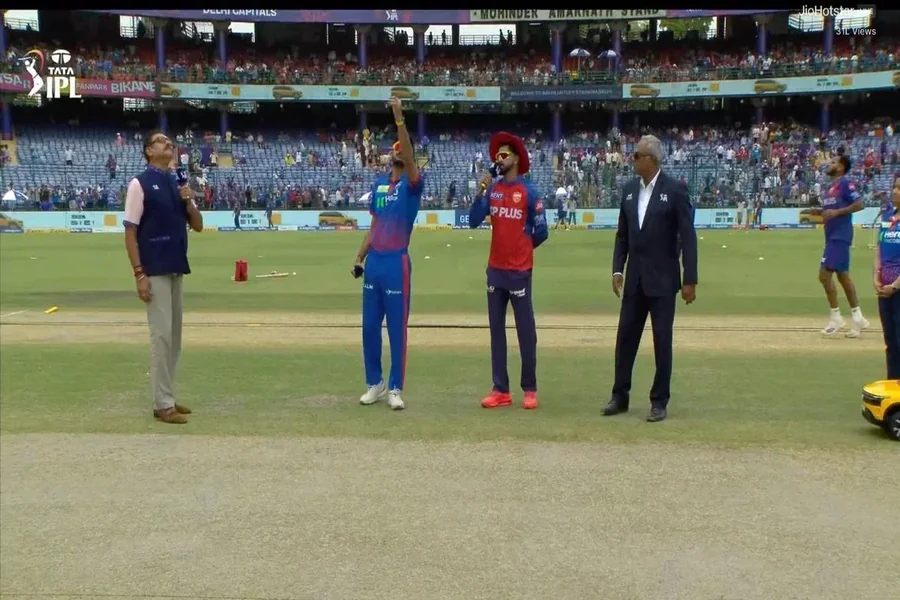
Toss is among the initial points of discussion prior to any cricket game. It is thought to determine the outcome, particularly in T20 formats. But actual match data paint a different picture. The toss can only be an advantage when put together with circumstances, strategy and implementation. It is not an automatic match-winning ingredient in itself.
Toss vs Match Result: What Do the Numbers Say?
The initial cricket match prediction process is to examine whether winning the toss by the teams gives them more wins. The difference is quite low, as the data over IPL seasons reveal. This proves that the toss is not the only determiner. Although the winner of the toss is given an option, both teams equally stand a chance provided they do well. The outcome is more about the manner in which the match is played and not the manner in which it begins.
| Scenario | Win Percentage |
| Toss Winner Wins Match | 49% – 52% |
| Toss Loser Wins Match | 48% – 51% |
| Overall Impact | Nearly Equal |
These numbers clearly show that toss advantage is not dominant. It only becomes useful when combined with the right decision.
Chasing Advantage in Modern T20 Cricket
Fantasy cricket tips also includes chasing is now more successful in recent years, particularly in formats such as the IPL. This is among the primary reasons why toss talks play a crucial role today in cricket match prediction. Second batting teams are aware of the precise target and are able to strategize their innings. This relieves stress and enhances shot selection at crucial moments of the game.
| Match Type | Chasing Win Rate |
| IPL Overall | 55% – 60% |
| Night Matches | Higher due to dew |
| Day Matches | More balanced |
This shows that teams often prefer to bowl first after winning the toss. However, the advantage comes from chasing conditions, not the toss itself.
Role of Dew Factor in Toss Decisions
Dew is also a significant feature in night games particularly in T20 cricket. It influences bowlers more than batters during the second innings.Bowlers find it difficult to control and grip the ball when it gets wet. Spinners lose their turn and fast bowlers struggle to make variations. This simplifies the second innings batting.
| Condition | Impact on Match |
| Heavy Dew | Chasing becomes easier |
| No Dew | Balanced conditions |
| Dry Surface | Batting first preferred |
This is why teams winning the toss in night games usually choose to bowl first. The decision is based on conditions rather than luck.
Pitch Behaviour and Toss Strategy
One of the most powerful variables that correlate with toss decisions is pitch conditions. Various pitches react differently in a match, affecting strategy. The pitch type has a direct influence on the scoring patterns and win patterns as discussed in structured match analysis. After winning the toss, teams consult history of the venue to determine what to do.
| Pitch Type | Preferred Decision | Reason |
| Batting-friendly | Bat first or chase | High scoring |
| Slow / Spin pitch | Bat first | Pitch slows down |
| Flat pitch with dew | Bowl first | Easy chasing |
For example, Chennai pitches often favour batting first, while Mumbai conditions support chasing. This shows that toss decisions depend on pitch behaviour.
Toss Impact Across Different Formats
The significance of the toss changes between formats. This is not the case with T20, ODI and Test cricket. In T20 games, the issue of toss is more crucial since the conditions vary in a few hours. In ODIs, the effect is moderate since the pitches are not changing. Toss is important again in Test cricket because there is deterioration of the pitch over a period of days. This fluctuation confirms that the effect of the toss is not constant. It is based on the way the format works.
| Format | Toss Importance | Reason |
| T20 | Moderate to High | Dew and chasing |
| ODI | Moderate | Balanced conditions |
| Test | High | Pitch deterioration |
Situations Where Toss Becomes Important
In some cases, toss influence is heightened. These tend to be associated with high external conditions. Chasing is much easier in the case of heavy dew. Batting first is significant when the pitch is likely to break down. Even minor points such as decisions on toss can be important in games that are closely matched. These cases show that toss matters only under specific conditions.
| Situation | Toss Impact |
| Heavy dew | High |
| Dry turning pitch | High |
| Balanced pitch | Low |
| Strong vs weak team | Minimal |
Why Toss Alone Cannot Decide Matches
Even though toss has some influence, it is still not the most important factor. The right cricket match prediction app understands that cricket is influenced by multiple elements working together. As highlighted in prediction frameworks , team form, player performance and match execution play a bigger role. A strong team can win even after losing the toss, while a weak team may lose despite winning it. This clearly shows that toss is just one part of a larger system.
| Factor | Impact Level |
| Team Form | Very High |
| Player Performance | Very High |
| Pitch Conditions | High |
| Toss | Moderate |
Final Verdict: Does Toss Really Matter?
The toss is important, but within a given limit. It provides a minor advantage particularly in T20 games when there is dew or chasing. Nonetheless, it is not a sure formula. Teams with an appropriate reading of conditions and better strategies play more matches, independent of the fortunes of the toss. Performance in game is what makes the difference.
Conclusion
The toss is significant yet not decisive. It varies in its effect according to pitch, weather and format. Toss alone does not give correct expert cricket predictions. Team strength, match conditions and performance trends as well as toss decisions should be always analyzed fully. So you can go to Allcric to get real time match updates and to get interesting insights about cricket.
FAQs
1. Will a win in the toss ensure a win in the game in cricket?
No, it is not a guarantee that you win the toss and win. According to information of the IPL matches, the winning and losing parties in terms of toss win and loss are nearly equal. The result of the match is more dependent on the performance of the teams, strategy and teamwork during the game.
2. What is the reason that teams like to chase when they win the toss?
Teams like chasing as they have an idea of the target and can strategize on their innings. In T20 cricket, the chasing teams win about 55-60 matches. Batting is also easier during the second innings due to factors such as dew in night games.
3. Does toss have a greater effect in T20 compared to Test?
Disregard issues in both forms, though not due to similar reasons. In T20 cricket, it is associated with chasing advantage and dew. In Test cricket it is significant because the pitch gets worn after five days which makes it more difficult to bat subsequently.
